Dentalist Sdn Bhd – Dental Clinic Kuala Lumpur North Kiara

- Implant

 Implant
The tooth is plants within the missing site's bone.
 Dental Bridge
Fill the space by trimming both neighboring teeth and combine three teeth into a single mass.
 Denture
Creating uniform teeth and dentition by taking a gum impression
 All-on-4
A cutting-edge dental implant method that uses just four implants to replace every tooth in your upper or lower jaw.
- Veneer

 Porcelain Veneers
Dental Veneers made with Ceramic.
Composite VeneersDental Veneers made with Resin.
- Braces


- Implant
- Implant
The tooth is plants within the missing site's bone.
Dental BridgeFill the space by trimming both neighboring teeth and combine three teeth into a single mass.
DentureCreating uniform teeth and dentition by taking a gum impression
All-on-4A cutting-edge dental implant method that uses just four implants to replace every tooth in your upper or lower jaw.
- Veneer
- Porcelain Veneers
Dental Veneers made with Ceramic.
Composite VeneersDental Veneers made with Resin.
- Braces

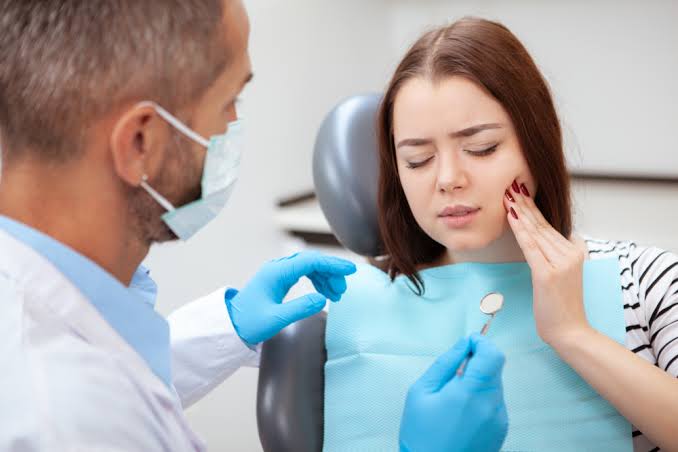
A sudden toothache, knocked-out tooth, broken tooth, dental swelling or persistent bleeding can leave you wondering whether you need immediate dental care or can wait for a routine appointment. Knowing the difference can help you respond appropriately and avoid delaying treatment when prompt assessment is needed.
An emergency dental clinic in KL can assess urgent problems such as severe tooth pain, dental trauma, significant swelling, suspected dental infection, broken teeth and other conditions requiring prompt attention. Dentalist Dental Clinic provides emergency dental treatment in Kuala Lumpur from its clinic at Suria @ North Kiara, Segambut.
If you are experiencing a dental emergency, the priority is to protect the affected area, avoid potentially harmful home remedies and arrange professional dental assessment.
What Is a Dental Emergency?
A dental emergency is a dental problem that requires prompt professional assessment because delaying care may allow pain, infection, bleeding or injury to worsen.
Some dental problems are uncomfortable but can wait for a routine appointment. Others require faster attention.
Common situations that may require urgent dental assessment include:
- Severe or persistent toothache
- A knocked-out permanent tooth
- A significantly broken or fractured tooth
- Dental trauma following an accident
- Significant swelling around a tooth, gum, jaw or face
- Support periodontal health in appropriately selected cases
- Persistent oral bleeding
- Severe pain or complications following dental treatment
The presence and severity of symptoms matter. If you are uncertain, contacting a dental professional is safer than attempting to diagnose the problem yourself.
When Should You Visit an Emergency Dental Clinic in KL?
The urgency of a dental problem depends on its symptoms, cause and progression.
Severe or persistent tooth pain
A mild sensitivity that occurs occasionally is different from severe tooth pain that persists, worsens or interferes with eating or sleeping.
Severe dental pain can be associated with decay, inflammation of the dental pulp, infection, trauma or other dental conditions. Pain medication may provide temporary relief, but it does not necessarily resolve the underlying cause.
If significant tooth pain continues or becomes worse, arrange a dental assessment.
A knocked-out permanent tooth
A permanent tooth that has been completely knocked out should receive prompt dental attention.
Handle the tooth carefully and avoid scrubbing the root surface. Because the appropriate management can depend on the injury and circumstances, seek professional dental care as soon as reasonably possible.
A badly broken or fractured tooth
A small painless chip may not require emergency treatment. A tooth that has fractured significantly, however, may cause pain, bleeding or sensitivity.
Avoid chewing on the affected side and arrange a dental examination.
Significant dental swelling
Swelling around the gum, tooth, jaw or face can occur with dental infection and should not automatically be treated as a minor problem.
Increasing swelling, particularly when associated with significant pain or other concerning symptoms, requires prompt professional assessment.
Suspected dental abscess
A dental abscess can cause pain, swelling, tenderness and other symptoms associated with infection.
A suspected abscess should be evaluated by a dentist rather than managed solely with home remedies. Treatment depends on the source and extent of the infection.
Persistent oral bleeding
Bleeding following dental trauma or dental treatment may require professional assessment if it continues or is difficult to control.
Dental trauma
Falls, sports injuries, road accidents and other impacts can damage teeth and surrounding oral tissues.
Even if a tooth appears intact after an accident, dental assessment may be appropriate because some injuries are not immediately obvious.
Emergency Dental Problem or Routine Appointment?
Not every dental concern requires emergency treatment. This simple guide can help you understand when prompt assessment may be appropriate.
| Dental problem | Appropriate Next Step |
|---|---|
| Knocked-out permanent tooth | Seek prompt dental assessment |
| Significant facial or jaw swelling | Seek prompt professional assessment |
| Severe or worsening toothache | Arrange urgent dental assessment |
| Persistent oral bleeding | Seek professional advice or assessment |
| Major dental trauma | Arrange dental assessment |
| Suspected dental abscess | Arrange prompt dental assessment |
| Small painless tooth chip | Routine dental appointment may be appropriate |
| Mild occasional sensitivity | Routine dental assessment may be appropriate |
| Routine cleaning or check-up | Schedule a regular appointment |
This is a general guide, not a diagnosis. Symptoms can change, and the appropriate level of care depends on the individual situation.
7 Common Dental Emergencies That Need Prompt Attention
1. Severe Toothache
Severe tooth pain can result from tooth decay, inflammation, infection, trauma or other dental conditions.
If the pain is persistent, worsening or affecting your normal activities, a dentist should assess the cause.
Treating only the pain without identifying the underlying problem may allow the dental condition to continue developing.
2. Knocked-Out Tooth
A knocked-out permanent tooth is a dental injury that needs prompt attention.
Avoid touching or scrubbing the root surface. Keep the tooth safe and seek professional dental care quickly.
The appropriate treatment depends on factors such as the nature of the injury and the condition of the tooth.
3. Broken or Fractured Tooth
A damaged tooth can range from a minor enamel chip to a deeper fracture involving sensitive internal structures.
Pain, bleeding, sensitivity or significant structural damage are reasons to arrange dental assessment.
4. Dental Abscess
An abscess is associated with a bacterial infection and may cause pain, swelling, tenderness or an unpleasant taste.
Because the underlying source needs to be identified and treated, a suspected dental abscess should not simply be ignored when symptoms temporarily improve.
5. Facial or Jaw Swelling
Swelling around the face or jaw can sometimes be associated with an infection originating from a tooth or surrounding tissues.
Increasing swelling warrants prompt professional assessment.
If swelling is associated with difficulty breathing or swallowing, seek emergency medical care immediately.
6. Persistent Oral Bleeding
Bleeding can occur following dental trauma, tooth extraction or other dental procedures.
Appropriate first-aid measures may help in some situations, but persistent or difficult-to-control bleeding requires professional advice.
7. Dental Trauma
An impact can affect the tooth, gum or supporting structures.
If a dental injury occurs after a fall, collision, sports activity or accident, arrange an examination when appropriate, even if the visible damage appears limited.


What Should You Do Before Reaching an Emergency Dentist?
The immediate steps you take should focus on protecting the affected area and avoiding additional damage.
If you have severe tooth pain
Keep the mouth clean and avoid foods or drinks that significantly trigger the pain. Arrange professional dental assessment rather than repeatedly postponing treatment.
If your tooth is broken
Rinse your mouth gently with water if necessary. Avoid chewing on the affected side and keep any broken fragment safely if possible.
If a permanent tooth has been knocked out
Handle the tooth carefully and avoid scrubbing the root. Seek professional dental care promptly.
If your mouth is bleeding
Use appropriate gentle pressure with clean gauze or a clean cloth where suitable. If bleeding persists or is difficult to control, contact a dental professional or seek appropriate emergency care.
If you have dental swelling
Do not ignore increasing swelling. Contact a dental professional for assessment, particularly if the swelling is associated with significant pain or other symptoms.
What Should You Avoid During a Dental Emergency?
When dental pain occurs suddenly, it is tempting to try home remedies found online. Some approaches can irritate the tissues or cause further damage.
Avoid:
- Applying harsh substances directly to the tooth or gum
- Scrubbing the root of a knocked-out tooth
- Ignoring increasing facial or jaw swelling
- Delaying professional care when symptoms are worsening
- Chewing directly on a severely damaged tooth
- Assuming temporary pain relief means the underlying problem has disappeared
- Taking medication without considering your existing medical conditions, allergies or other medicines
If you are unsure about what to do, ask a qualified dental professional for advice.
What Happens When You Visit an Emergency Dental Clinic in KL?
An emergency dental appointment begins with understanding the problem.
Your dentist may ask:
- When did the symptoms begin?
- Did the pain appear suddenly or gradually?
- Has the pain become worse?
- Was there an accident or injury?
- Is there swelling or bleeding?
- Have you noticed sensitivity to hot or cold?
- Have you taken any medication?
- Have you recently had dental treatment?
The dentist will then examine the affected area.
Depending on the symptoms, dental imaging or other diagnostic procedures may be recommended.
The objective is to identify the likely cause of the problem and determine an appropriate treatment plan.
Emergency treatment does not always mean completing all long-term dental treatment during the same visit. In some cases, the immediate priority is to manage the urgent problem before planning definitive treatment.
What Emergency Dental Treatment Might You Need?
There is no single treatment for every dental emergency.
Treatment depends on the underlying cause, the condition of the tooth and the findings from the dental examination.
Depending on the situation, treatment may involve:
- Emergency examination
- Dental imaging
- Treatment of dental decay
- Dental fillings
- Root canal treatment
- Tooth extraction where clinically indicated
- Management of dental infection
- Treatment planning following dental trauma
- Follow-up restorative treatment
For example, severe pain caused by an infected tooth may require treatment directed at the affected tooth rather than pain relief alone.
A significantly fractured tooth may require a different approach depending on how deeply the tooth has been damaged.
This is why an examination is important before deciding what treatment is appropriate.
Emergency Dental Care in Kuala Lumpur: Why Location Matters
When you have severe tooth pain or have experienced dental trauma, travelling across Kuala Lumpur may be inconvenient.
For patients searching for an emergency dental clinic in KL, Dentalist Dental Clinic is located at:
G-03, Ground Floor, Suria @ North Kiara
10, Jalan Seri Bintang
Segambut, 52100 Kuala Lumpur, Malaysia
The clinic is positioned in the North Kiara/Segambut area and provides a range of dental services alongside emergency dental treatment.
Dentalist’s service offering allows patients to discuss an urgent dental concern and, where clinically appropriate, continue with treatment for the underlying dental problem.
Patients travelling from areas such as North Kiara, Segambut, Mont Kiara, Kepong and nearby parts of Kuala Lumpur may find the location convenient, depending on their starting point and appointment availability.
Emergency Dental Treatment at Dentalist
Dentalist provides emergency dental care alongside a broader range of dental services.
Depending on the diagnosis, a patient experiencing an emergency may subsequently require treatments such as:
- Dental fillings
- Root canal treatment
- Tooth extraction
- Wisdom tooth treatment
- General dental care
- Preventive dental treatment
- Restorative dental care
- Orthodontic treatment
- Other specialist dental services where appropriate
This is important because an emergency appointment should not only focus on temporarily reducing discomfort.
The underlying cause of the problem should be identified so that the dentist can recommend the appropriate next step.
For example, if severe pain is caused by a damaged or infected tooth, the long-term treatment plan may be different from the treatment required for a tooth damaged by trauma.
Why You Should Not Ignore a Dental Emergency
One of the most common mistakes people make is waiting because the pain temporarily becomes manageable.
Dental symptoms can fluctuate.
A tooth may hurt severely one day and feel better the next. However, a reduction in pain does not necessarily mean that the underlying dental condition has resolved.
Similarly, swelling may change over time without addressing its underlying cause.
Prompt dental assessment can help determine:
- What is causing the symptoms?
- Whether the problem requires urgent treatment
- Whether the tooth can be preserved
- What immediate treatment may be appropriate
- What follow-up care may be required
Early professional assessment can therefore provide a clearer treatment pathway rather than relying on repeated temporary relief.
What Should You Bring to an Emergency Dental Appointment?
If possible, prepare a few details before visiting the clinic.
Bring or note:
- Identification
- Current medication information
- Known allergies
- Relevant medical information
- Previous dental records, if available
- The approximate time your symptoms began
- Details of any accident or dental injury
- Information about medication already taken for the pain
If you have a broken tooth fragment following an injury, keep it safely and bring it with you.
The more accurately you can describe what happened, the easier it may be for the dental team to understand the situation.