Dentalist Sdn Bhd – Dental Clinic Kuala Lumpur North Kiara

- Implant

 Implant
The tooth is plants within the missing site's bone.
 Dental Bridge
Fill the space by trimming both neighboring teeth and combine three teeth into a single mass.
 Denture
Creating uniform teeth and dentition by taking a gum impression
 All-on-4
A cutting-edge dental implant method that uses just four implants to replace every tooth in your upper or lower jaw.
- Veneer

 Porcelain Veneers
Dental Veneers made with Ceramic.
Composite VeneersDental Veneers made with Resin.
- Braces


- Implant
- Implant
The tooth is plants within the missing site's bone.
Dental BridgeFill the space by trimming both neighboring teeth and combine three teeth into a single mass.
DentureCreating uniform teeth and dentition by taking a gum impression
All-on-4A cutting-edge dental implant method that uses just four implants to replace every tooth in your upper or lower jaw.
- Veneer
- Porcelain Veneers
Dental Veneers made with Ceramic.
Composite VeneersDental Veneers made with Resin.
- Braces

By Dr. Faiz Fitri, Principal Dentist at Dentalist | DDS (Indonesia) | 15 Years of Experience
Have you been experiencing a toothache that keeps coming back? Does drinking cold water cause a sharp sensation in one of your teeth, or does the pain become more noticeable when you lie down at night?
If you are experiencing these symptoms, you may be wondering whether you need root canal treatment.
Hello, I’m Dr. Faiz Fitri, Principal Dentist at Dentalist in Kuala Lumpur. I have 15 years of experience in dentistry, and root canal treatment is one of my clinical areas of interest.
I understand that the words “root canal” can sound worrying, especially if you have heard stories about painful dental procedures. But before you assume the worst, I want you to understand what root canal treatment involves, when it may be necessary, and how it can help preserve your natural tooth.
In this guide, I’ll explain the treatment in simple terms so you can understand your options and make a more informed decision about your dental health.
What Is Root Canal Treatment?
Let me begin with a simple explanation.
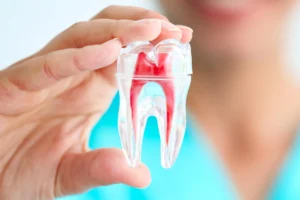
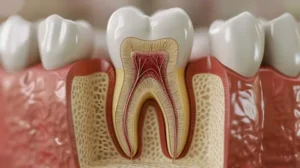
Inside your tooth is a soft tissue called the dental pulp. It contains nerves, blood vessels, and connective tissue. When bacteria enter this area through deep tooth decay, a crack, an injury, or certain damaged dental restorations, the pulp can become inflamed or infected.
When the damage is severe enough that the pulp cannot recover, root canal treatment may be recommended.
During this procedure, I remove the affected pulp tissue, clean and disinfect the inside of the tooth, and seal the root canals. The tooth is then restored with a suitable filling, crown, or other restoration, depending on how much healthy tooth structure remains.
The main aim is to treat the problem inside the tooth while preserving the natural tooth whenever it can be predictably restored.
In simple terms, root canal treatment is a way to treat infection or irreversible damage inside a tooth without automatically removing the entire tooth.
If you are looking for root canal treatment in Kuala Lumpur, the first step is to have the tooth examined. Not every toothache requires a root canal, so an accurate diagnosis is essential.
Understanding the difference between a consultation fee, treatment cost and comprehensive dental package can help you plan your dental care more confidently.
How Do I Know If I Need Root Canal Treatment?
One of the first things I want patients to understand is that symptoms can help us identify a possible problem, but they cannot confirm the diagnosis on their own.
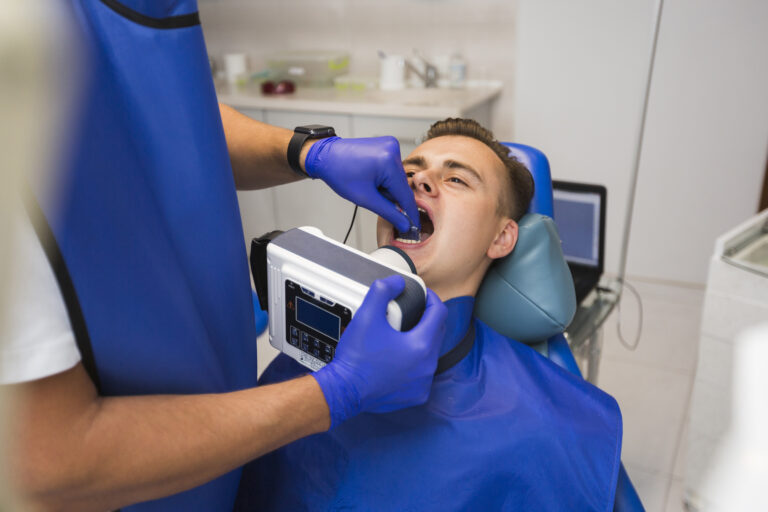
When you visit a dentist, the affected tooth needs to be examined. Depending on your symptoms, this may include dental X-rays and tests to assess the pulp and the tissues surrounding the tooth.
Here are some symptoms you should not ignore.
1. Persistent or Throbbing Toothache
A toothache that continues, returns frequently, or interferes with sleep deserves attention.
The pain may feel sharp, dull, or throbbing. You might also find it difficult to identify exactly which tooth is responsible.
Persistent pain can be associated with inflammation or infection inside a tooth, although other dental problems can cause similar symptoms.
If your toothache keeps returning, I recommend arranging a dental examination rather than relying on painkillers to manage it indefinitely.
2. Lingering Sensitivity to Hot or Cold
Do you feel pain when drinking hot tea, eating ice cream, or drinking cold water?
Brief sensitivity can occur for several reasons and does not automatically mean you need root canal treatment. However, if the pain continues after the hot or cold stimulus has been removed, the pulp may be inflamed.
I would assess the tooth, consider the pattern of sensitivity, and perform the appropriate tests before recommending treatment.
3. Pain When Biting or Chewing
Pain when you bite down can be associated with several conditions, including a cracked tooth, inflammation around the root, deep decay, or problems with an existing restoration.
The location and nature of the pain can provide useful clues, but further examination is needed to identify the cause.
If chewing has become uncomfortable, avoid putting unnecessary pressure on the affected tooth until you have received dental advice.
4. Swelling or a Small Bump on the Gums
Swelling around a tooth, a tender area of gum, or a small bump that resembles a pimple may indicate an infection.
Sometimes, a tooth with an infection does not cause severe pain. This is one reason I would not recommend judging the seriousness of a dental problem by pain alone.
A suspected dental abscess requires prompt professional assessment. Do not attempt to drain it yourself or rely on home remedies to remove the infection.
5. A Tooth That Has Become Darker
Have you noticed that one tooth looks darker or greyer than the others?
This can sometimes happen after dental trauma or damage to the pulp. However, tooth discolouration has other possible causes, so it does not automatically mean a root canal is needed.
An examination helps determine whether the tooth has internal damage and what treatment may be appropriate.
My advice: If you have persistent toothache, lingering sensitivity, pain when biting, or swelling around a tooth, arrange a dental assessment. Seek urgent care for facial swelling, fever, or rapidly worsening symptoms. Difficulty breathing or swallowing requires emergency medical attention.
Why Does a Tooth Need Root Canal Treatment?
When I assess a tooth, I want to understand not only what symptoms you are experiencing but also what may have caused the problem.
Several conditions can damage the dental pulp.
Deep Tooth Decay
Tooth decay can gradually move through the enamel and dentine towards the pulp.
If the decay is detected early, a filling may be enough. If the pulp becomes irreversibly inflamed or infected, root canal treatment may be needed.
This is why I encourage patients to seek treatment for cavities before they progress. Early care can sometimes prevent a more complicated procedure later.
A Cracked or Broken Tooth
A crack or fracture can allow bacteria to reach the inner part of the tooth.
Some cracks are difficult to see without a proper examination. Whether a cracked tooth can be saved depends on the location and depth of the crack, the amount of healthy tooth structure remaining, and the condition of the surrounding tissues.
Dental Injury or Trauma
An accident, sports injury, or fall can damage the pulp even if the tooth appears intact from the outside.
Sometimes symptoms develop immediately; in other cases, changes occur later. If you have injured a tooth, it is worth arranging an examination even if the discomfort initially seems minor.
Problems With Existing Dental Work
A tooth that has undergone repeated dental procedures, or one with a damaged or leaking restoration, may develop pulp irritation or infection.
This does not mean that every filled or crowned tooth will eventually require a root canal. The decision depends on the condition of the individual tooth.

What Happens During Root Canal Treatment?
I know that understanding the procedure can make it feel less intimidating. Let me explain the usual stages of root canal treatment.
The exact process varies according to the tooth, the number and shape of its canals, and the condition of the surrounding tissues.
Step 1: Examination and Diagnosis
First, I assess your symptoms and examine the affected tooth. I may take dental X-rays and perform tests to evaluate the pulp and the tissues around the root.
I also assess whether the tooth has enough healthy structure to support a suitable final restoration.
This step is important because the treatment should address the actual cause of the problem rather than simply respond to the pain.
Step 2: Local Anaesthesia
Before starting treatment, local anaesthesia is generally used to numb the affected area.
You may feel some discomfort from the injection, but the aim is to control pain during the procedure. If you feel pain while treatment is underway, tell your dentist so the situation can be assessed and the anaesthesia adjusted if necessary.
Step 3: Accessing the Pulp
Once the tooth is sufficiently numb, I create an opening in the tooth to reach the pulp chamber and root canals.
The opening allows access to the damaged tissue inside the tooth.
Step 4: Cleaning and Disinfecting the Canals
I remove the affected pulp tissue and carefully clean and shape the root canals. Appropriate cleaning and disinfection help reduce bacteria within the canal system.
This is a particularly important stage because the canals have to be prepared before they can be sealed.
Step 5: Filling and Sealing the Canals
After cleaning and shaping, the canals are filled with a suitable material and sealed to help prevent bacteria from re-entering.
Depending on the complexity of the case and the condition of the tooth, treatment may be completed in one appointment or spread across several visits.
A temporary filling may be placed between appointments when necessary.
Step 6: Restoring the Tooth
Once the root canal treatment is complete, the tooth needs an appropriate restoration.
Some teeth can be restored with a filling. Others, particularly teeth that have lost a substantial amount of structure, may need a crown or another protective restoration.
I assess the remaining tooth structure and biting forces before recommending the final restoration. Protecting the tooth after root canal treatment is an important part of maintaining its function.
Is Root Canal Treatment Painful?
This is one of the biggest concerns patients have, and I understand why.
The idea of treating the inside of a painful tooth can sound uncomfortable. However, root canal treatment is generally carried out under local anaesthesia to control pain during the procedure.
The discomfort you are experiencing before treatment may be caused by the inflamed or infected pulp. Treating the underlying problem can help relieve that pain, although the amount and timing of relief vary between patients.
You may experience tenderness around the treated tooth for a few days afterwards, particularly if the tissues around the root were inflamed before treatment. This should generally improve as healing progresses.
If you experience severe or worsening pain, increasing swelling, or symptoms that do not improve, contact your dentist for further assessment.
I encourage you not to delay an examination simply because you are afraid of root canal treatment. The first step is to understand what is causing your symptoms and discuss the available options.
How Many Visits Does Root Canal Treatment Take?
The number of appointments depends on the individual case.
Some teeth can be treated in one visit, while others require two or more appointments. The following factors can influence the treatment schedule:
- The type of tooth: Molars often have more complex root anatomy than front teeth.
- The condition of the pulp: The extent of inflammation or infection may affect the treatment plan.
- The shape of the canals: Complex anatomy can make cleaning and treatment more challenging.
- Previous treatment: A tooth that needs root canal retreatment may require additional assessment and care.
- The final restoration: A separate appointment may be required for a permanent filling, crown, or other restoration.
I prefer to plan treatment according to the condition of the tooth rather than promise that every case can be completed in a fixed amount of time.
During your consultation, ask your dentist to explain the expected number of visits and what each appointment will involve.
How Much Does Root Canal Treatment in Kuala Lumpur Cost?
I understand that cost is an important consideration when you are deciding whether to proceed with dental treatment.
The cost of root canal treatment varies according to the tooth being treated, the complexity of the case, the number of appointments, and the type of final restoration required.
For example, treating a front tooth may involve a different level of complexity from treating a molar with several canals. A tooth that needs additional restorative work may also require a different overall treatment plan.
Before agreeing to treatment, I recommend asking your dentist to explain:
- What is causing the problem.
- Why root canal treatment is being recommended.
- Whether alternative treatments are suitable.
- How many appointments may be required.
- Whether a crown or another restoration is likely to be needed.
- What the estimated total treatment cost includes.
I have not included a specific price in this article because the current fee needs to be confirmed with Dentalist before publication.
The most useful estimate is one based on an examination and a clear treatment plan for your tooth.
Should You Save the Tooth or Have It Extracted?
When a tooth is badly damaged, patients sometimes ask whether it would be easier to remove it instead of having root canal treatment.
I believe this decision should be based on the condition of the tooth and the options available to you.
When Root Canal Treatment May Be Suitable
Root canal treatment may be appropriate when the pulp is irreversibly damaged or infected and the tooth can still be restored successfully.
Preserving your natural tooth can help maintain your chewing function and natural bite. It may also avoid the need to replace a missing tooth.
However, treatment success depends on several factors, including the condition of the tooth, the quality of the root canal procedure, the final restoration, and ongoing dental care.
When Extraction May Be Necessary
Some teeth cannot be restored predictably. Extensive structural damage, a severe root fracture, or inadequate support around the tooth may make extraction the more appropriate option.
If extraction is recommended, your dentist can discuss whether a dental implant, bridge, denture, or another option is suitable for replacing the missing tooth.
I would not recommend choosing extraction or root canal treatment based on a general article alone. An examination helps establish which options are realistic for your situation.
The important thing is to understand the benefits, limitations, costs, and expected outcomes of the available treatments before making a decision.
Will You Need a Crown After Root Canal Treatment?
Not every root canal-treated tooth needs the same type of restoration.
A crown may be recommended when a substantial amount of the tooth has been lost or when the remaining structure is at greater risk of fracture. This is particularly relevant for many back teeth, which experience considerable chewing forces.
In other situations, a suitable filling or another restoration may be enough.
I consider the location of the tooth, how much healthy structure remains, and the forces placed on it when deciding what restoration may be appropriate.
Please remember that root canal treatment addresses the inside of the tooth. The final restoration protects and restores the tooth’s function, so it should not be overlooked.
What Should You Do After Root Canal Treatment?
Once your root canal treatment is complete, following the aftercare instructions is important.
Here is what I recommend discussing with your dentist.
Avoid Heavy Chewing on the Treated Tooth
Until the tooth has been permanently restored and your dentist advises that it is ready for normal use, avoid biting hard foods directly on it.
A tooth awaiting its final restoration may be more vulnerable to fracture.
Maintain Your Oral Hygiene
Continue brushing with fluoride toothpaste and cleaning between your teeth every day, unless your dentist gives you different instructions.
A root canal-treated tooth can still develop decay around its remaining structure or restoration. Good oral hygiene remains important.
Follow Medication Instructions
If your dentist recommends medication, take it as directed.
Do not start antibiotics on your own or use leftover medication. Antibiotics are not a substitute for appropriate dental treatment and are not required for every root canal case.
Attend Follow-Up Appointments
Complete the recommended restoration and attend follow-up visits as advised.
If pain becomes severe, swelling increases, your bite feels uneven, or symptoms return, contact your dentist rather than waiting for your next routine appointment.
What Happens If You Delay Root Canal Treatment?
If the pulp inside your tooth is irreversibly damaged or infected, delaying appropriate treatment can allow the problem to progress.
Infection may extend into the tissues around the root and lead to an abscess. The tooth may also become more difficult to restore if the underlying problem worsens.
However, toothache does not always mean that a root canal is necessary. Some conditions can be treated in other ways, which is why a proper diagnosis matters.
If you have persistent pain, swelling, or other concerning symptoms, arrange a dental assessment promptly. If you develop difficulty breathing or swallowing, seek emergency medical attention.
Common Myths About Root Canal Treatment
Let me clarify a few common misunderstandings.
Myth 1: Root Canal Treatment Is Always Painful
The fact: Local anaesthesia is generally used to control pain during treatment. Some tenderness afterwards is possible, but severe or worsening pain should be assessed.
Myth 2: Extraction Is Always Better Than a Root Canal
The fact: If a tooth can be treated and restored successfully, preserving it may be a suitable option. Extraction may be necessary when the tooth cannot be restored predictably.
Myth 3: A Tooth Cannot Function After Its Pulp Is Removed
The fact: A fully developed tooth can continue to function after root canal treatment when it is appropriately restored and supported by healthy surrounding tissues.
Myth 4: Antibiotics Alone Can Cure an Infected Root Canal
The fact: Antibiotics do not replace the dental procedure needed to treat the source of an infected root canal. They may be appropriate in selected circumstances, but your dentist must determine that based on your condition.
Myth 5: Every Root Canal-Treated Tooth Needs a Crown
The fact: The type of restoration depends on the amount of remaining tooth structure, the tooth’s location, and its risk of fracture. Some teeth need a crown, while others may be restored differently.
Why Consider Dentalist for Root Canal Treatment in Kuala Lumpur?
When you are dealing with tooth pain, I understand that you want a clear diagnosis, a treatment plan you can understand, and confidence in the care you receive.
At Dentalist, our focus is on assessing your dental needs and explaining the treatment options available. The clinic’s root canal service information describes an approach that includes clinical examination, diagnostic imaging, cleaning and disinfection of the canals, and appropriate restoration of the treated tooth.
I believe that patients should understand why a procedure is recommended, what it involves, and what may be needed afterwards.
As Principal Dentist, I have 15 years of experience in dentistry, and root canal treatment is among my clinical interests. My aim when discussing treatment with a patient is to help them understand the condition of their tooth and make an informed decision about their care.
Dentalist is located in North Kiara, Kuala Lumpur, and serves patients from Kuala Lumpur and surrounding communities.