Dentalist Sdn Bhd – Dental Clinic Kuala Lumpur North Kiara
- enquiry@dentalist.com.my
- Locate Us
- Monday - Sunday: 9.00am ~ 6.00pm
-
Mon - Sat: 9.00am ~ 6.00pm
Sun & PH: By Appointment ONLY

- Home
- About Us
- Implant
 We offer a comprehensive range of dental implant services to restore your smile and improve your oral health, including:
 Implant
The tooth is plants within the missing site's bone.
 Dental Bridge
Fill the space by trimming both neighboring teeth and combine three teeth into a single mass.
 Denture
Creating uniform teeth and dentition by taking a gum impression
 All-on-4
A cutting-edge dental implant method that uses just four implants to replace every tooth in your upper or lower jaw.
- Veneer
 Veneer are able to fixed:
- Chipped Teeth
- Discolored Teeth
- Crooked Teeth
- Worn-down Teeth
- Uneven Teeth
- Unusual Spaced Teeth
Two type of veneer treatment solutions, including:
 Porcelain Veneers
Dental Veneers made with Ceramic.
Composite VeneersDental Veneers made with Resin.
- Braces
 Clear Aligners
Clear Aligners is a popular alternative to traditional metal braces for straightening teeth. It uses a series of clear, removable aligners to gradually shift your teeth into their desired positions.
 Braces
The primary objective of braces is to straighten your teeth and correct any of your misalignments. Straight teeth are easier to clean, which reduces the possibility of cavities and gum disease.
- Dental Menu
- General DentistryCosmetic DentistryEndodonticsPeriodontics (Gum Care)ProsthodonticsMinor Oral SurgeryOther Services
- Dental Tips
- Dental Package
- Dental Tourism
- Home
- About Us
- Implant
- We offer a comprehensive range of dental implant services to restore your smile and improve your oral health, including: Implant
The tooth is plants within the missing site's bone.
Dental BridgeFill the space by trimming both neighboring teeth and combine three teeth into a single mass.
DentureCreating uniform teeth and dentition by taking a gum impression
All-on-4A cutting-edge dental implant method that uses just four implants to replace every tooth in your upper or lower jaw.
- Veneer
- Veneer are able to fixed:
- Chipped Teeth
- Discolored Teeth
- Crooked Teeth
- Worn-down Teeth
- Uneven Teeth
- Unusual Spaced Teeth
Two type of veneer treatment solutions, including:
Porcelain VeneersDental Veneers made with Ceramic.
Composite VeneersDental Veneers made with Resin.
- Braces
- Clear Aligners
Clear Aligners is a popular alternative to traditional metal braces for straightening teeth. It uses a series of clear, removable aligners to gradually shift your teeth into their desired positions.
BracesThe primary objective of braces is to straighten your teeth and correct any of your misalignments. Straight teeth are easier to clean, which reduces the possibility of cavities and gum disease.
- Dental Menu
- General DentistryCosmetic DentistryEndodonticsPeriodontics (Gum Care)ProsthodonticsMinor Oral SurgeryOther Services
- Dental Tips
- Dental Package
- Dental Tourism

Why Regular Dental Check-Ups at a Trusted
Dental Clinic Can Save You Time, Money, and
Your Smile
When Was Your Last Dental Check-Up?
If you’re like many people, the answer might be, “I only visit the dentist when something
hurts.”
Unfortunately, this is one of the biggest mistakes people make when it comes to their oral
health.
Many dental problems don’t cause pain in their early stages. Cavities, gum disease, enamel
erosion, and even oral infections can develop silently for months or years before noticeable
symptoms appear. By the time discomfort begins, treatment is often more complex, more
expensive, and more time-consuming.
This is why regular dental check-ups are one of the smartest investments you can make for
your oral health.
At Dentalist Dental Clinic Kuala Lumpur, we believe prevention is always better than cure.
Routine dental examinations help identify problems early, protect your teeth and gums, and
reduce the likelihood of needing extensive dental treatment in the future.
Whether you’re focused on maintaining a healthy smile, preventing dental emergencies, or
improving your overall oral health, regular dental visits play a crucial role in helping you
achieve those goals.
Why Preventive Dental Care Matters
Preventive dentistry is the foundation of long-term oral health.
Rather than waiting for problems to develop, preventive care focuses on identifying and
addressing issues before they become serious.
Many common dental conditions can be prevented or managed successfully when detected
early, including:
- Tooth decay
- Gum disease
- Enamel erosion
- Oral infections
- Teeth grinding damage
- Bite problems
- Oral cancer warning signs
Routine dental check-ups allow your dentist to monitor your oral health and recommend
treatments that help prevent future complications.
Simply put, a small investment in prevention today can help avoid significant treatment
tomorrow.
What Happens During a Routine Dental Check-Up?
Many patients avoid dental visits because they are unsure what to expect.
A routine dental examination is straightforward, comfortable, and designed to evaluate your
overall oral health.
During a check-up, your dentist may assess:
- Teeth and existing fillings
- Gum health
- Signs of cavities
- Plaque and tartar buildup
- Bite alignment
- Jaw joint function
- Wisdom teeth
- Signs of teeth grinding
- Oral soft tissues
- Oral cancer screening indicators
The goal is to identify any developing issues and provide personalised recommendations to
keep your mouth healthy.
The Biggest Myth About Dental Health: “If It Doesn’t
Hurt, It’s Fine”
One of the most common misconceptions is that pain is the first sign of a dental problem.
In reality, many oral health issues develop silently.
For example:
Early Tooth Decay
Small cavities often cause no discomfort.
Gum Disease
Early gum disease may only present as occasional bleeding when brushing.
Enamel Erosion
Enamel can wear away gradually without causing immediate symptoms.
Oral Infections
Some infections progress slowly before becoming painful.
Waiting for pain often means the problem has already advanced.
This is why regular dental examinations are so valuable.
How Dental Check-Ups Save You Time
Most people have busy lives.
Between work commitments, family responsibilities, and personal obligations, finding time
for healthcare can be challenging.
Ironically, skipping routine dental visits often results in more appointments later.
For example:
A small cavity detected during a routine examination may require:
- One appointment
- A simple filling
- Minimal treatment time
However, if the cavity progresses:
- Root canal treatment may be required
- A dental crown may be needed
- Multiple visits may become necessary
- Recovery time may increase
Preventive care helps minimise disruptions to your schedule.

How Dental Check-Ups Save You Money
Many patients delay dental care because they are concerned about treatment costs.
However, preventive dentistry is almost always more affordable than restorative dentistry.
Consider these examples:
Early Detection
A small cavity can often be treated with a simple filling.
Delayed Treatment
A neglected cavity may progress to:
- Root canal treatment
- Dental crown placement
- Tooth extraction
- Tooth replacement solutions
The longer a problem remains untreated, the more extensive treatment often becomes.
Regular dental check-ups help reduce the risk of costly procedures by identifying issues
before they worsen.
Professional Dental Cleaning: More Important Than
You Think
Even people who brush and floss consistently can develop plaque and tartar buildup.
Plaque contains harmful bacteria that contribute to:
- Tooth decay
- Gum inflammation
- Bad breath
- Gum disease
When plaque hardens into tartar, it cannot be removed through brushing alone.
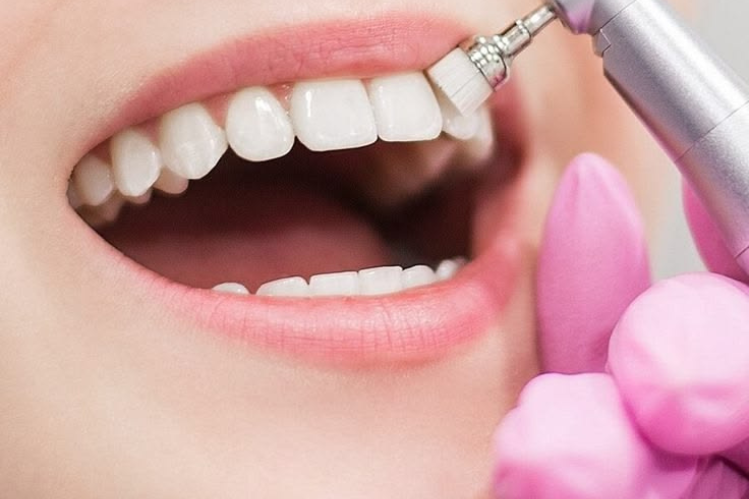
Professional dental cleaning helps eliminate:
- Plaque deposits
- Tartar accumulation
- Surface stains
- Harmful bacteria
- Food debris
Regular professional cleaning supports healthier gums and helps maintain a brighter smile.
Why Gum Disease Often Goes Undetected
Gum disease is one of the most common oral health problems affecting adults worldwide.
Unfortunately, it often develops gradually.
Many people do not realise they have gum disease until significant damage has occurred.
Early Signs of Gum Disease
- Bleeding gums
- Swollen gums
- Bad breath
- Gum sensitivity
- Redness around the gumline
Advanced Signs
- Gum recession
- Loose teeth
- Bone loss
- Persistent infection
Routine dental examinations help identify gum disease early, when treatment is often simpler
and more effective.
The Link Between Oral Health and Overall Health
Your mouth is not isolated from the rest of your body.
Research continues to demonstrate strong connections between oral health and overall
health.
Poor oral health has been associated with:
- Diabetes
- Heart disease
- Stroke
- Respiratory infections
- Pregnancy complications
- Chronic inflammation
The bacteria responsible for gum disease can enter the bloodstream and potentially
contribute to systemic health concerns.
Maintaining healthy teeth and gums may support better overall health outcomes.
Dental Check-Ups Help Detect Oral Cancer Early
Oral cancer awareness is an important part of preventive dentistry.
Many people are unaware that routine dental visits often include oral cancer screening
assessments.
Dentists examine:
- Tongue tissues
- Gums
- Cheeks
- Lips
- Roof of the mouth
- Floor of the mouth
Warning Signs Include
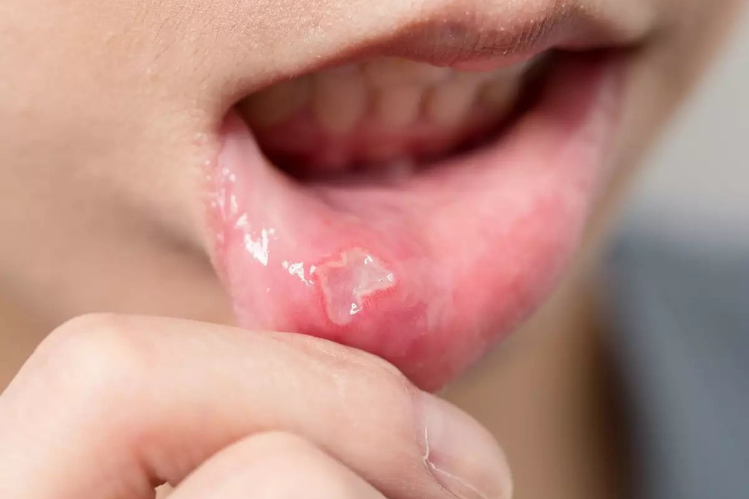
- Persistent mouth ulcers
- White patches
- Red patches
- Unusual lumps
- Changes in tissue appearance
Early detection significantly improves treatment outcomes.
Children Benefit from Dental Check-Ups Too
Oral health habits begin early.
Regular dental visits help children develop positive attitudes toward dental care while allowing dentists to monitor oral development.
Benefits include:
- Early cavity detection
- Monitoring tooth eruption
- Assessing jaw development
- Preventive treatments
- Oral hygiene education
- Reduced dental anxiety
Building healthy habits during childhood often leads to better oral health throughout adulthood.
How Dental Check-Ups Protect Your Smile
Your smile plays an important role in confidence, communication, and self-esteem.
Regular dental examinations help maintain:
- Healthy teeth
- Healthy gums
- Fresh breath
- Natural tooth appearance
- Proper bite function
- Long-term oral health
Preventive care helps preserve your natural smile and reduce the likelihood of major dental
complications.
Common Problems Dentists Can Detect Early
During routine examinations, dentists frequently identify issues before patients notice
symptoms.
Examples include:
Cavities
Small areas of decay can often be treated quickly.
Cracked Teeth
Minor cracks may be managed before they worsen.
Gum Disease
Early intervention helps protect supporting structures.
Teeth Grinding
Dentists can identify wear patterns caused by grinding or clenching.
Bite Problems
Alignment issues may contribute to jaw discomfort and uneven wear.
Wisdom Tooth Concerns
Monitoring wisdom teeth helps prevent future complications.
Early intervention almost always improves treatment outcomes.
What Happens If You Skip Dental Check-Ups for Years?
Avoiding dental visits may seem harmless initially.
However, over time, untreated problems can accumulate.
Potential consequences include:
- Advanced tooth decay
- Gum disease progression
- Tooth loss
- Dental infections
- Bone loss
- Increased treatment costs
- Reduced smile confidence
- More complex procedures
Many serious dental issues could have been prevented through routine preventive care.
How Often Should You Visit a Dental Clinic?
For most adults, a dental check-up every six months is recommended.
However, some patients may require more frequent visits based on:
- Gum disease risk
- Smoking habits
- Diabetes
- High cavity risk
- Orthodontic treatment
- Previous dental history
Your dentist can recommend a schedule tailored to your individual needs.
Signs You Should Book a Dental Appointment
Immediately
Don’t wait for your next routine examination if you experience:
- Tooth pain
- Swollen gums
- Bleeding gums
- Persistent bad breath
- Loose teeth
- Jaw discomfort
- Broken teeth
- Tooth sensitivity
- Mouth ulcers that won’t heal
- Facial swelling
These symptoms may indicate underlying oral health concerns that require professional
attention.
What Makes a Trusted Dental Clinic Different?
Not all dental clinics provide the same level of care.
A trusted dental clinic focuses on:
- Patient education
- Preventive dentistry
- Comprehensive examinations
- Personalised treatment plans
- Modern technology
- Transparent communication
- Long-term oral health goals
The best dental clinics don’t simply treat problems—they help patients prevent them.
Why Patients Choose Dentalist Dental Clinic Kuala
Lumpur
At Dentalist Dental Clinic Kuala Lumpur, we are committed to helping patients achieve and
maintain healthy smiles through comprehensive preventive care.
Patients choose us for:
- Comprehensive dental examinations
- Professional dental cleaning
- Preventive dentistry solutions
- Family dental care
- Cosmetic dentistry services
- Patient-centred treatment planning
- Modern dental technology
- Comfortable clinical environment
We believe every patient deserves personalised care designed to support long-term oral
health and overall well-being.
Investing in Your Smile Is Investing in Your Future
Your oral health affects far more than your teeth.
It influences your confidence, comfort, overall health, and quality of life.
Regular dental check-ups are one of the simplest yet most effective ways to protect your
smile and avoid unnecessary complications.
Instead of waiting for pain to appear, proactive dental care allows you to identify problems
early, save money, reduce treatment time, and maintain healthier teeth and gums for years to
come.
Schedule Your Dental Check-Up Today
Don’t wait until a minor issue becomes a major dental problem.
A routine dental examination today could save you time, money, discomfort, and stress in the
future.
At Dentalist Dental Clinic Kuala Lumpur, our team is dedicated to helping you maintain
optimal oral health through preventive care, professional guidance, and personalised
treatment solutions.
Frequently Asked Questions
How often should I visit the dentist?
Most people should have a dental examination every six months, although some may require
more frequent visits.
Why are dental check-ups important if I have no symptoms?
Many dental problems develop without pain or obvious symptoms during their early stages.
Can dental check-ups help save money?
Yes. Early detection often prevents the need for more complex and expensive treatments.
Is professional dental cleaning necessary?
Yes. Professional cleaning removes tartar and plaque that cannot be removed through
brushing alone.
Can dentists detect oral cancer during a check-up?
Routine examinations often include oral cancer screenings to identify unusual changes early.
What is preventive dentistry?
Preventive dentistry focuses on maintaining oral health and preventing dental issues before
they become serious.
What are the signs that I need a dental appointment?
Common signs include tooth pain, bleeding gums, bad breath, sensitivity, swelling, and loose
teeth.