Dentalist Sdn Bhd – Dental Clinic Kuala Lumpur North Kiara
- enquiry@dentalist.com.my
- Locate Us
- Monday - Sunday: 9.00am ~ 6.00pm
-
Mon - Sat: 9.00am ~ 6.00pm
Sun & PH: By Appointment ONLY

- Home
- About Us
- Implant
 We offer a comprehensive range of dental implant services to restore your smile and improve your oral health, including:
 Implant
The tooth is plants within the missing site's bone.
 Dental Bridge
Fill the space by trimming both neighboring teeth and combine three teeth into a single mass.
 Denture
Creating uniform teeth and dentition by taking a gum impression
 All-on-4
A cutting-edge dental implant method that uses just four implants to replace every tooth in your upper or lower jaw.
- Veneer
 Veneer are able to fixed:
- Chipped Teeth
- Discolored Teeth
- Crooked Teeth
- Worn-down Teeth
- Uneven Teeth
- Unusual Spaced Teeth
Two type of veneer treatment solutions, including:
 Porcelain Veneers
Dental Veneers made with Ceramic.
Composite VeneersDental Veneers made with Resin.
- Braces
 Clear Aligners
Clear Aligners is a popular alternative to traditional metal braces for straightening teeth. It uses a series of clear, removable aligners to gradually shift your teeth into their desired positions.
 Braces
The primary objective of braces is to straighten your teeth and correct any of your misalignments. Straight teeth are easier to clean, which reduces the possibility of cavities and gum disease.
- Dental Menu
- General DentistryCosmetic DentistryEndodonticsPeriodontics (Gum Care)ProsthodonticsMinor Oral SurgeryOther Services
- Dental Tips
- Dental Package
- Dental Tourism
- Home
- About Us
- Implant
- We offer a comprehensive range of dental implant services to restore your smile and improve your oral health, including: Implant
The tooth is plants within the missing site's bone.
Dental BridgeFill the space by trimming both neighboring teeth and combine three teeth into a single mass.
DentureCreating uniform teeth and dentition by taking a gum impression
All-on-4A cutting-edge dental implant method that uses just four implants to replace every tooth in your upper or lower jaw.
- Veneer
- Veneer are able to fixed:
- Chipped Teeth
- Discolored Teeth
- Crooked Teeth
- Worn-down Teeth
- Uneven Teeth
- Unusual Spaced Teeth
Two type of veneer treatment solutions, including:
Porcelain VeneersDental Veneers made with Ceramic.
Composite VeneersDental Veneers made with Resin.
- Braces
- Clear Aligners
Clear Aligners is a popular alternative to traditional metal braces for straightening teeth. It uses a series of clear, removable aligners to gradually shift your teeth into their desired positions.
BracesThe primary objective of braces is to straighten your teeth and correct any of your misalignments. Straight teeth are easier to clean, which reduces the possibility of cavities and gum disease.
- Dental Menu
- General DentistryCosmetic DentistryEndodonticsPeriodontics (Gum Care)ProsthodonticsMinor Oral SurgeryOther Services
- Dental Tips
- Dental Package
- Dental Tourism

Your Mouth Is Trying to Warn You: 10 Early
Signs of Oral Health Problems You Should
Never Ignore
Don’t Ignore What Your Mouth Is Trying to Tell You
Have you ever experienced bleeding gums while brushing, persistent bad breath, or sudden
tooth sensitivity and simply assumed it wasn’t a big deal?
You’re not alone.
Many people ignore early warning signs of oral health problems because they aren’t painful
or disruptive at first. Unfortunately, dental issues rarely appear overnight. Most oral health
conditions develop gradually, giving your mouth several opportunities to alert you before the
problem becomes more serious.
The challenge is that many people don’t recognize these warning signs until significant
damage has already occurred.
Your mouth is often one of the first areas of the body to show signs of infection,
inflammation, nutritional deficiencies, and chronic health conditions. Paying attention to
these early symptoms can help prevent tooth loss, gum disease, costly dental treatments,
and even broader health complications.
At Dentalist Dental Clinic Kuala Lumpur, we believe that oral health awareness is the first step
toward maintaining a healthy smile and improving overall well-being. Understanding these
signs can help you seek timely dental care and protect your oral health for years to come.
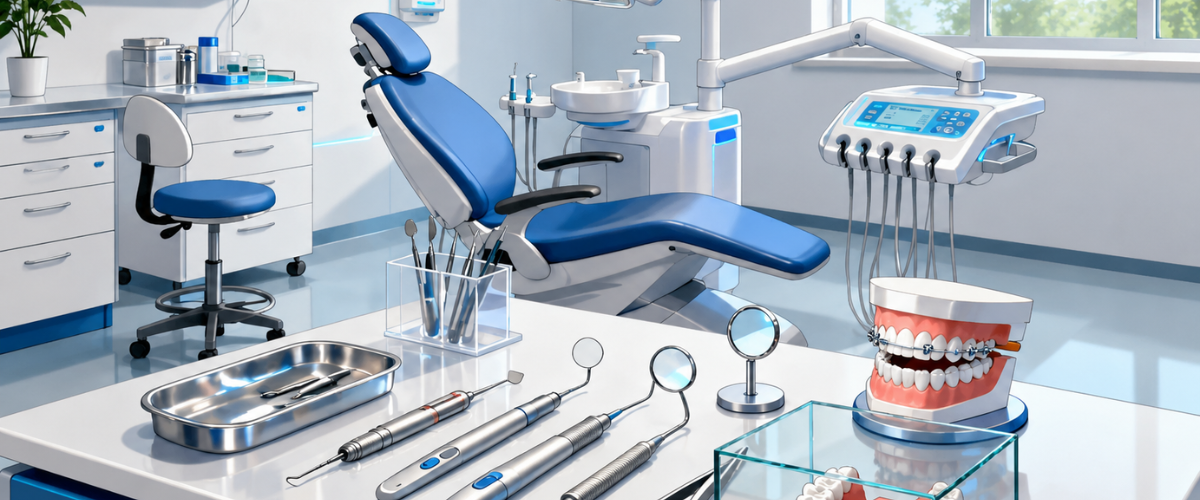
Why Oral Health Awareness Matters
Oral health is about much more than having clean teeth and a beautiful smile.
Healthy teeth and gums play an essential role in:
- Eating comfortably
- Speaking clearly
- Maintaining confidence
- Supporting proper nutrition
- Protecting overall health
Research continues to show strong links between oral health and general health. Conditions
such as gum disease have been associated with diabetes, cardiovascular disease, respiratory
infections, and other systemic health concerns.
When oral health problems are identified early, treatment is often simpler, less invasive, and
more affordable.
This is why understanding the warning signs your mouth gives you is so important.
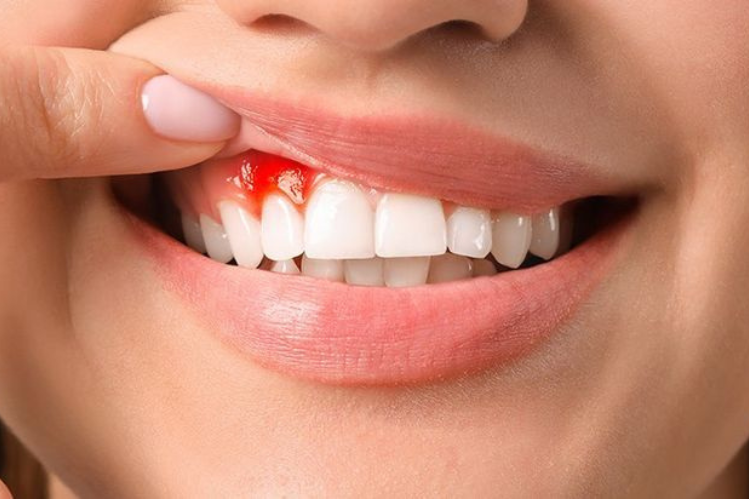
Bleeding Gums During Brushing or Flossing
One of the most common warning signs people ignore is bleeding gums.
Many individuals believe occasional bleeding while brushing is normal. However, healthy
gums should not regularly bleed.
Bleeding gums are often one of the earliest indicators of gingivitis, which is the first stage of
gum disease.
When plaque accumulates along the gumline, bacteria trigger inflammation that causes gums
to become irritated and prone to bleeding.
Common Causes of Bleeding Gums
- Plaque buildup
- Gingivitis
- Poor brushing habits
- Inconsistent flossing
- Smoking
- Hormonal changes
- Certain medications
Why You Shouldn’t Ignore It
Without treatment, gingivitis can progress into periodontitis, a more serious form of gum
disease that may lead to bone loss and tooth loss.
The earlier gum inflammation is addressed, the easier it is to reverse.
Persistent Bad Breath That Doesn’t Go Away
Everyone experiences bad breath occasionally.
However, chronic bad breath, also known as halitosis, may indicate an underlying oral health
issue.
If your breath remains unpleasant despite brushing, flossing, and using mouthwash, it’s time
to investigate the cause.
Common Causes of Chronic Bad Breath
- Gum disease
- Tooth decay
- Bacterial buildup on the tongue
- Dry mouth
- Food particles trapped between teeth
- Oral infections
- Poor oral hygiene
Bad breath often develops because bacteria produce unpleasant-smelling compounds inside
the mouth.
Professional dental cleaning and oral health assessments can help identify and address the
underlying issue.
Tooth Sensitivity to Hot, Cold, Sweet, or Acidic
Foods
Do you experience a sharp sensation when drinking hot coffee or eating ice cream?
Tooth sensitivity is another common warning sign that should not be ignored.
Sensitive teeth often indicate that the protective enamel layer has become compromised.
Potential Causes of Tooth Sensitivity
- Enamel erosion
- Gum recession
- Tooth decay
- Cracked teeth
- Worn dental fillings
- Teeth grinding
While sensitivity may begin as a mild annoyance, it can become increasingly uncomfortable if
the underlying cause remains untreated.
A dental evaluation can help determine the source of sensitivity and prevent further damage.
White Spots on Teeth
Many people dismiss white spots as a cosmetic concern.
In reality, white spots are often one of the earliest signs of enamel demineralization.
This occurs when minerals are lost from the enamel surface, creating weak areas that may
eventually develop into cavities.
Causes of White Spots
- Early tooth decay
- Excessive plaque accumulation
- High-sugar diets
- Poor oral hygiene
- Orthodontic treatment challenges
- Acidic food and drink consumption
Early intervention can often stop the progression of enamel damage before cavities develop.
Swollen, Red, or Tender Gums
Healthy gums should appear pink, firm, and free from discomfort.
Swollen, red, or tender gums usually indicate inflammation.
Inflammation is often the body’s response to bacterial buildup around the teeth and gums.
Symptoms of Gum Inflammation
- Red gums
- Swollen gums
- Tenderness
- Bleeding
- Gum discomfort
- Persistent bad breath
Gum disease affects millions of adults worldwide and remains one of the leading causes of
tooth loss.
Fortunately, early treatment is highly effective when inflammation is detected promptly.
Loose Teeth or Shifting Teeth
Adult teeth should feel stable and secure.
If you notice a tooth becoming loose or shifting position, it may indicate a serious oral health
concern.
Potential Causes
- Advanced gum disease
- Bone loss
- Dental trauma
- Teeth grinding
- Bite problems
- Untreated infections
As gum disease progresses, the supporting structures around teeth can weaken, causing
teeth to become mobile.
Seeking prompt dental care can help prevent further damage and preserve your natural
teeth.
Mouth Ulcers That Refuse to Heal
Occasional mouth ulcers are common.
Most heal naturally within one to two weeks.
However, ulcers that persist longer than expected should always be evaluated by a dental
professional.
Possible Causes
- Oral irritation
- Nutritional deficiencies
- Stress
- Viral infections
- Immune system disorders
- Underlying medical conditions
Persistent sores may indicate a more significant health issue and should never be ignored.
Dry Mouth Could Be Warning You Too
Saliva plays a vital role in maintaining oral health.
It helps wash away food particles, neutralize acids, and protect teeth from decay.
When saliva production decreases, oral health problems become more likely.
Common Causes of Dry Mouth
- Certain medications
- Dehydration
- Smoking
- Medical conditions
- Age-related changes
Problems Associated With Dry Mouth
- Increased cavities
- Gum disease
- Bad breath
- Difficulty swallowing
- Oral infections
Many people underestimate the importance of saliva until symptoms become noticeable.
Tooth Pain Is Never Normal
Pain is your body’s way of alerting you that something requires attention.
Whether the discomfort is mild or severe, tooth pain should always be investigated.
Common Causes of Tooth Pain
- Cavities
- Dental abscesses
- Cracked teeth
- Gum infections
- Impacted wisdom teeth
- Exposed tooth roots
Ignoring tooth pain often allows the underlying problem to worsen, leading to more extensive
treatment needs later.
Receding Gums Can Lead to Bigger
Problems
Have your teeth started looking longer than before?
You may be experiencing gum recession.
Gum recession occurs when the gum tissue gradually pulls away from the teeth, exposing the
roots.
Causes of Gum Recession
- Gum disease
- Aggressive brushing
- Teeth grinding
- Smoking
- Genetic factors
Risks of Gum Recession
- Tooth sensitivity
- Root decay
- Increased plaque accumulation
- Tooth instability
- Cosmetic concerns
Early treatment can help slow progression and protect oral health.
The Connection Between Oral Health and
Overall Health
Your oral health and general health are closely connected.
Bacteria from oral infections can enter the bloodstream and contribute to inflammation
elsewhere in the body.
Studies have shown associations between poor oral health and:
- Heart disease
- Diabetes
- Stroke
- Respiratory infections
- Pregnancy complications
- Chronic inflammatory conditions
Maintaining healthy teeth and gums is an important part of supporting your overall health.
Daily Habits That Protect Your Oral Health
Prevention remains the most effective approach to oral care.
Simple daily habits can significantly reduce your risk of developing dental problems.
Best Practices for Healthy Teeth and Gums
- Brush twice daily with fluoride toothpaste
- Floss every day
- Drink plenty of water
- Limit sugary snacks
- Avoid smoking and tobacco products
- Maintain a balanced diet
- Schedule regular dental visits
- Replace your toothbrush every three months
- Attend professional dental cleanings
Consistency is the key to long-term oral health success.
Why Regular Dental Check-Ups Are Essential
Many oral health issues develop without causing immediate pain.
Routine dental examinations help detect:
- Tooth decay
- Gum disease
- Oral infections
- Enamel erosion
- Bite issues
- Early oral cancer signs
- Damaged restorations
- Wisdom tooth complications
Regular check-ups allow problems to be identified and treated before they become more
serious.
Who Is Most at Risk for Oral Health Problems?
Certain individuals may face a higher risk of developing dental issues.
Risk factors include:
- Smoking
- Diabetes
- Poor oral hygiene
- High-sugar diets
- Dry mouth
- Family history of gum disease
- Irregular dental visits
- Stress-related teeth grinding
Understanding your personal risk factors can help you take proactive steps toward
prevention.
Warning Signs That Require Immediate Dental
Attention
Contact a dentist as soon as possible if you experience:
- Severe tooth pain
- Facial swelling
- Pus around the gums
- Loose teeth
- Persistent bleeding
- Broken teeth
- Difficulty chewing
- Mouth sores that do not heal
Prompt treatment can help prevent complications and preserve oral health.
Why Choose Dentalist Dental Clinic Kuala
Lumpur?
At Dentalist Dental Clinic Kuala Lumpur, we are committed to helping patients maintain
healthy smiles through preventive dental care, patient education, and personalised
treatment planning.
Patients trust us for:
- Comprehensive oral health assessments
- Preventive dentistry services
- Professional dental cleanings
- Gum disease management
- Modern diagnostic technology
- Patient-focused care
- Personalised treatment recommendations
Our goal is to help you identify problems early and maintain optimal oral health throughout

Listen to What Your Mouth Is Telling You
Your mouth often provides valuable clues about your dental health long before serious
problems develop.
Bleeding gums, bad breath, tooth sensitivity, swollen gums, dry mouth, and tooth pain are not
issues that should be ignored.
The earlier oral health problems are identified, the easier they are often to manage and treat.
By paying attention to these warning signs and maintaining regular dental visits, you can
protect your smile, improve your oral health, and support your overall well-being.
Book Your Oral Health Assessment Today
If you’ve noticed any of these warning signs, don’t wait until the problem becomes more
serious.
Schedule a comprehensive dental check-up at Dentalist Dental Clinic Kuala Lumpur and take
the first step toward a healthier smile, healthier gums, and better overall oral health.
Frequently Asked Questions
What is the earliest sign of gum disease?
Bleeding gums during brushing or flossing is often one of the earliest signs of gum disease.
Why do my gums bleed when I brush?
Bleeding gums may result from plaque buildup, gum inflammation, gingivitis, or improper oral
hygiene habits.
Can bad breath indicate a dental problem?
Yes. Persistent bad breath can be caused by gum disease, tooth decay, oral infections, or
bacterial buildup.
How often should I visit the dentist?
Most people should have a dental examination and professional cleaning every six months.
Can oral health affect my overall health?
Yes. Poor oral health has been linked to conditions such as diabetes, heart disease, and
respiratory illnesses.
Is tooth sensitivity a sign of tooth decay?
Sometimes. Sensitivity can be caused by decay, enamel erosion, gum recession, or exposed
tooth roots.
Why is preventive dental care important?
Preventive care helps identify issues early, reducing the need for more complex and costly
dental treatments later.