Dentalist Sdn Bhd – Dental Clinic Kuala Lumpur North Kiara

- Implant

 Implant
The tooth is plants within the missing site's bone.
 Dental Bridge
Fill the space by trimming both neighboring teeth and combine three teeth into a single mass.
 Denture
Creating uniform teeth and dentition by taking a gum impression
 All-on-4
A cutting-edge dental implant method that uses just four implants to replace every tooth in your upper or lower jaw.
- Veneer

 Porcelain Veneers
Dental Veneers made with Ceramic.
Composite VeneersDental Veneers made with Resin.
- Braces


- Implant
- Implant
The tooth is plants within the missing site's bone.
Dental BridgeFill the space by trimming both neighboring teeth and combine three teeth into a single mass.
DentureCreating uniform teeth and dentition by taking a gum impression
All-on-4A cutting-edge dental implant method that uses just four implants to replace every tooth in your upper or lower jaw.
- Veneer
- Porcelain Veneers
Dental Veneers made with Ceramic.
Composite VeneersDental Veneers made with Resin.
- Braces

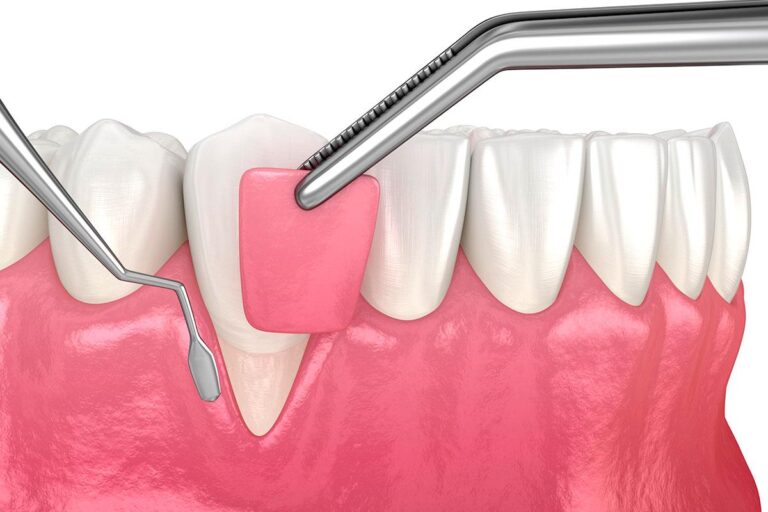
What Is Gum Grafting?
Gum grafting is a periodontal procedure used to add or restore gum tissue in areas where the gums have become thin or receded. During the procedure, gum tissue is placed over or around an area of recession to improve soft-tissue coverage and protect the exposed tooth root when clinically appropriate. Depending on your condition, gum grafting may help:- Cover exposed areas of the tooth root
- Reduce sensitivity associated with exposed roots
- Improve the appearance of receding gums
- Increase the amount of gum tissue around certain teeth
- Protect vulnerable areas from further trauma
- Support periodontal health in appropriately selected cases
What Is Gum Recession?
Gum recession occurs when the gum tissue around a tooth moves away from the tooth, exposing more of the tooth surface or root. You may notice that:- Your teeth appear longer
- The tooth roots are visible
- You experience sensitivity to cold or hot foods
- Certain teeth look different from the surrounding teeth
- The gumline appears uneven
- You find it difficult to clean around a recessed area
What Causes Receding Gums?
There is not always one single cause of gum recession. Some common contributing factors include:Aggressive Tooth Brushing
Brushing your teeth with excessive force or using an unsuitable brushing technique can contribute to trauma around the gumline.Gum Disease
Periodontal disease can damage the tissues supporting the teeth and may contribute to gum recession.Thin Gum Tissue
Some people naturally have thinner gum tissue, making certain areas more susceptible to recession.Tooth Position
The position of a tooth within the jaw can influence the amount and thickness of the surrounding gum tissue.Poor Oral Hygiene
Plaque and tartar accumulation can contribute to gum inflammation and periodontal problems, which may affect the tissues around the teeth.Dental Trauma or Localised Irritation
Repeated trauma to a particular area can contribute to gum tissue loss.Orthodontic Movement
In some cases, movement of teeth during orthodontic treatment can influence the surrounding gum tissues. Because gum recession can have different causes, treatment should focus not only on covering the exposed area but also on identifying and managing the underlying factors.When Is Gum Grafting Recommended?
Gum grafting may be considered when there is insufficient gum tissue or clinically significant recession that requires treatment. Your periodontic specialist may consider factors such as:- Depth and extent of gum recession
- Thickness of the existing gum tissue
- Tooth sensitivity
- Root exposure
- Risk of further recession
- Gum and bone condition
- Tooth position
- Your oral hygiene
- Your aesthetic concerns
Can Receding Gums Grow Back Naturally?
One of the most common questions patients ask is: “Can receding gums grow back on their own?” In general, gum tissue that has physically receded does not simply grow back to its original position on its own. However, the progression of gum recession may sometimes be managed by addressing the underlying cause and improving oral hygiene and brushing habits. When there is significant recession or exposed tooth root, a dentist or periodontic specialist may discuss treatment options such as gum grafting. The appropriate approach depends on the individual case.What Are the Signs You May Need Gum Recession Treatment?
You should consider a professional assessment if you notice:- Increasing tooth sensitivity
- Visible tooth roots
- Teeth appearing longer
- Gumline changes
- Localised gum recession
- Difficulty cleaning around a recessed area
- Bleeding or swollen gums
- Persistent gum discomfort
- Concerns about the appearance of your gumline
Who Is a Suitable Candidate for Gum Grafting?
Not everyone with gum recession needs a gum graft. A suitable candidate may have a localised or significant area of gum recession where additional gum tissue could provide a clinical benefit. The assessment may consider:- Overall gum health
- Level of recession
- Amount and quality of existing gum tissue
- Condition of the tooth and surrounding structures
- Oral hygiene
- Tooth position
- Presence of periodontal disease
- Your treatment goals
What Types of Gum Grafting Are Available?
There are different approaches to gum grafting, and the appropriate technique depends on the patient’s gum condition, the location of the recession and the amount of tissue required. The aim is to provide appropriate soft-tissue coverage and improve the health and stability of the gum around the affected area. Your periodontic specialist will assess your gums and explain which technique is appropriate for your specific condition rather than using the same procedure for every patient.Why See a Periodontic Specialist for Gum Grafting?
Gum grafting is a periodontal procedure involving the tissues surrounding and supporting the teeth. A periodontic specialist has specific advanced training in the diagnosis and management of gum and supporting-tissue conditions. At Dentalist Dental Clinic Kuala Lumpur, Dr. Muhammad Annurdin Bin Sabarudin is a Periodontic Specialist with:- BDS (USIM)
- Master of Restorative Dentistry (Periodontics) (USM)
- FRACDS (Australia)
- 13+ years of clinical experience
What Happens During Your First Gum Grafting Consultation?
Your first appointment is primarily about understanding the condition of your gums and determining whether gum grafting is appropriate. Your specialist may assess:- The extent of gum recession
- Gum thickness and tissue quality
- The condition of the teeth and roots
- Gum and periodontal health
- Oral hygiene
- Bite and tooth position
- Your symptoms and concerns
Gum Grafting Procedure, Cost, Recovery & Aftercare
How Is Gum Grafting Performed?
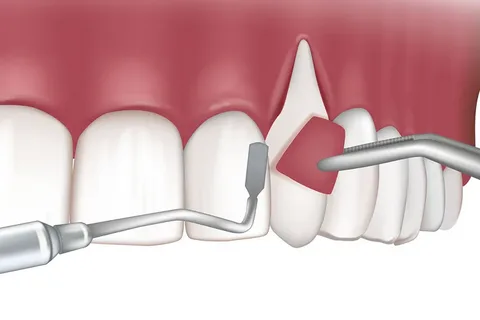
If your periodontic specialist determines that gum grafting is appropriate, the procedure is planned according to the location and extent of gum recession and the amount of tissue required. The exact technique can vary from patient to patient, but the treatment generally involves carefully preparing the affected area and placing suitable gum tissue where additional coverage or thickness is needed. The main stages may include:- Assessment and treatment planning – The affected gum area is evaluated and the appropriate grafting approach is selected.
- Local anaesthesia – The treatment area is numbed to keep you comfortable during the procedure.
- Preparation of the recipient area – The recessed area is carefully prepared for the graft.
- Placement of the graft – Suitable gum tissue is positioned over or around the affected area.
- Securing the tissue – The graft is stabilised appropriately to support healing.
- Post-operative instructions – You receive specific instructions for protecting the treated area during recovery.
What Types of Gum Graft Procedures Are Used?
There are different gum grafting techniques, and the choice depends on the amount and type of gum tissue required. Your periodontic specialist may consider factors such as:- Location of the recession
- Severity of recession
- Thickness of existing gum tissue
- Condition of the surrounding gums
- Number of teeth affected
- Aesthetic requirements
- Long-term periodontal health
Is Gum Grafting Painful?
This is one of the most common concerns among patients considering gum grafting in Kuala Lumpur. During the procedure, local anaesthesia is used to numb the treatment area, so you should not experience normal sensations of pain during the surgical procedure. After treatment, it is normal to experience some degree of:- Tenderness
- Swelling
- Sensitivity
- Tightness around the treated area
- Mild discomfort
How Long Does Gum Grafting Take?
The duration of gum grafting varies according to the complexity of the case. Factors that can influence treatment time include:- Number of teeth being treated
- Size and location of the recession
- Type of grafting procedure
- Amount of tissue required
- Complexity of the periodontal condition
What Is Gum Grafting Recovery Like?
Recovery is an important part of successful gum graft treatment. During the initial healing period, you may experience some swelling, tenderness or sensitivity around the treated area. The amount of discomfort and recovery time varies between patients. Your specialist will give you personalised instructions regarding:- Eating and drinking
- Oral hygiene
- Brushing around the treated area
- Physical activity
- Medication, where appropriate
- Follow-up appointments
What Can You Eat After Gum Grafting?
Your diet may need to be modified temporarily after gum grafting. Generally, softer foods that require less chewing are easier during the early recovery period. Depending on your specialist’s instructions, you may be advised to choose foods such as:- Soft eggs
- Yoghurt
- Mashed foods
- Soft pasta
- Smooth soups at a suitable temperature
- Soft fish
- Other foods that do not require vigorous chewing
How Should You Care for Your Mouth After Gum Grafting?
Post-operative care is essential for protecting the treated area. Your instructions may include:Avoid Disturbing the Graft
Do not repeatedly touch, pull or inspect the treated area with your fingers or tongue.Follow Your Brushing Instructions
You may be advised to avoid brushing directly over the grafted area for a specific period. Follow your specialist’s instructions rather than applying a standard brushing routine.Maintain Oral Hygiene
Keeping the rest of your mouth clean is still important. Your dental team will explain how to maintain oral hygiene without disturbing the healing area.Avoid Smoking
Smoking can interfere with healing and may negatively affect periodontal health. If you smoke, discuss this with your specialist before treatment.Attend Follow-Up Appointments
Follow-up appointments allow your specialist to monitor healing and identify any concerns during recovery.How Long Does a Gum Graft Take to Heal?
Healing occurs in stages, and the timeline varies depending on the procedure, the treated area and your individual healing response. You may notice improvement in comfort during the early recovery period, while the gum tissue continues to mature over a longer period. It is important not to judge the final appearance immediately after surgery because swelling and normal healing changes can temporarily affect how the gums look. Your periodontic specialist can provide a more realistic recovery timeline based on your specific procedure.How Much Does Gum Grafting Cost in Kuala Lumpur?
If you are searching for gum grafting cost Kuala Lumpur or gum grafting price Kuala Lumpur, it is important to understand that the treatment cost can vary considerably between patients. There is no single price that applies to every gum grafting procedure. The final cost may depend on:- Number of teeth requiring treatment
- Severity of gum recession
- Type of grafting procedure
- Amount of tissue required
- Complexity of the case
- Overall periodontal condition
- Whether other gum treatments are required
- Follow-up and post-operative care
Why Does Gum Grafting Price Vary Between Patients?
Two patients may both search for “gum grafting Kuala Lumpur” but require completely different treatments. For example, one patient may have a small area of recession affecting one tooth, while another may have multiple areas of recession combined with periodontal problems. Their treatment plans, surgical requirements and costs may therefore be different. For this reason, patients should compare the complete treatment plan and clinical expertise, rather than selecting a clinic based only on the lowest advertised price.Does Dental Insurance Cover Gum Grafting?
Whether gum grafting is covered depends on your individual insurance policy and the reason the procedure is being performed. Some policies may have specific exclusions or limitations for periodontal procedures. Before treatment, check directly with your insurance provider and ask the clinic for the documentation you may need for your claim.Can Gum Grafting Prevent Further Gum Recession?
Gum grafting can provide additional tissue in appropriately selected cases, but it should not be viewed as a substitute for addressing the cause of gum recession. Long-term gum health also depends on factors such as:- Appropriate brushing technique
- Good oral hygiene
- Periodontal health
- Regular dental care
- Managing contributing habits
- Following your specialist’s maintenance recommendations
How Long Does a Gum Graft Last?
A gum graft is intended to provide a long-term improvement in the treated area, but its outcome can be influenced by oral hygiene, periodontal health, brushing habits, smoking and other individual factors. Maintaining healthy gums and attending regular dental reviews are important for protecting the result. If the underlying cause of gum recession continues, additional gum problems can still develop elsewhere in the mouth.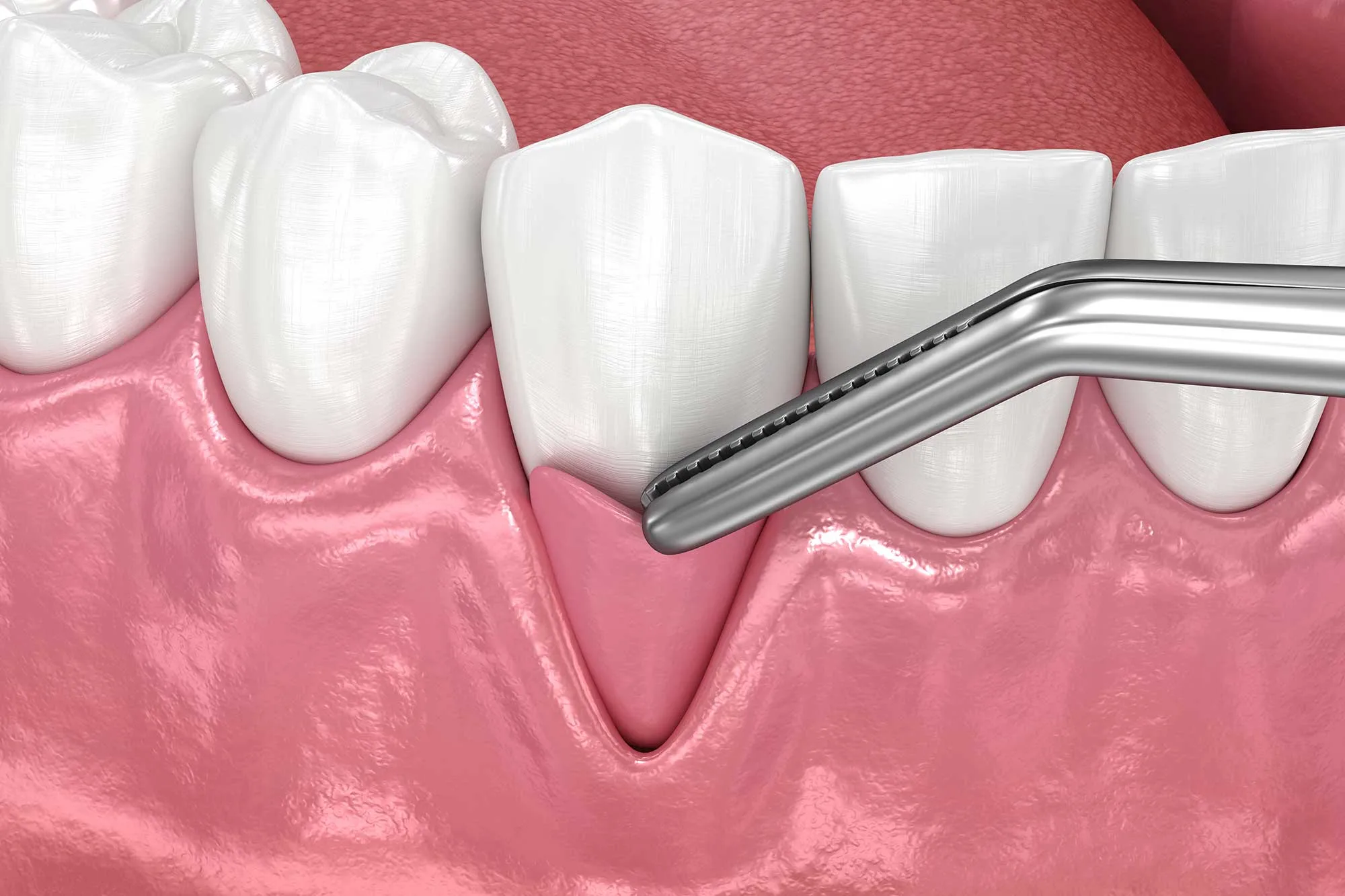
Gum Grafting vs Other Gum Recession Treatments
Not every case of gum recession requires surgery. Depending on the cause and severity, treatment may involve:- Improving brushing technique
- Professional periodontal cleaning
- Non-surgical gum treatment
- Managing gum disease
- Monitoring mild recession
- Gum grafting
- Other periodontal procedures
A Patient-Specific Approach at Dentalist
At Dentalist Dental Clinic Kuala Lumpur, Dr. Muhammad Annurdin Bin Sabarudin, Periodontic Specialist, has clinical interests covering both non-surgical and surgical gum treatments, including gum grafting, gum recession treatment, guided bone and tissue regeneration, gingival contouring and laser gum surgery. His 13+ years of clinical experience, together with qualifications including BDS (USIM), Master of Restorative Dentistry (Periodontics) (USM) and FRACDS (Australia), supports a periodontal-focused approach to evaluating gum conditions. The goal is not simply to perform a gum graft, but to first understand why the gum recession has occurred and whether grafting is the appropriate treatment for your individual case.Choosing a Gum Grafting Specialist in Kuala Lumpur, FAQs & Dentalist
How Do You Choose a Gum Grafting Specialist in Kuala Lumpur?
If you are searching for a gum grafting specialist in Kuala Lumpur, it is important to look beyond the treatment price. Gum recession can have different causes, and the appropriate treatment depends on the condition of your gums, teeth and supporting tissues. A proper periodontal assessment helps determine whether gum grafting is actually necessary and which approach is appropriate. When choosing a clinic, consider:1. Relevant Periodontal Qualifications
Gum grafting is a periodontal procedure. Look for a clinician with relevant training and experience in periodontal treatment. At Dentalist Dental Clinic Kuala Lumpur, Dr. Muhammad Annurdin Bin Sabarudin is a Periodontic Specialist with:- BDS (USIM)
- Master of Restorative Dentistry (Periodontics) (USM)
- FRACDS (Australia)
- 13+ years of clinical experience
2. Experience With Gum Recession
Gum recession can vary significantly from one patient to another. A clinician with experience in gum grafting and gum recession treatment can assess the severity and underlying cause before recommending treatment. Dr. Muhammad Annurdin’s clinical interests include:- Gum Grafting
- Gum Recession Treatment
- Surgical Gum Surgery
- Non-Surgical Gum Treatment
- Guided Bone & Tissue Regeneration
- Gingival Contouring
- Laser Gum Surgery
- Dental Implants
3. A Clear Treatment Plan
Before proceeding, you should understand:- Why gum grafting is being recommended
- Which areas require treatment
- What procedure is proposed
- What the recovery may involve
- What the expected outcome is
- Whether additional periodontal treatment is required
- The estimated treatment cost
4. Transparent Pricing
When comparing gum grafting price in Kuala Lumpur, ask what is included in the quotation. The total treatment cost may depend on the number of teeth treated, the complexity of the recession, the grafting technique and any additional periodontal treatment required. A personalised quotation is therefore more meaningful than comparing advertised starting prices alone.Why Choose Dentalist Dental Clinic Kuala Lumpur for Gum Grafting?
At Dentalist Dental Clinic Kuala Lumpur, gum grafting treatment is provided within a broader periodontal approach. Dr. Muhammad Annurdin Bin Sabarudin, Periodontic Specialist, has more than 13 years of clinical experience and holds:- BDS (USIM)
- Master of Restorative Dentistry (Periodontics) (USM)
- FRACDS (Australia)