Dentalist Sdn Bhd – Dental Clinic Kuala Lumpur North Kiara
- enquiry@dentalist.com.my
- Locate Us
- Monday - Sunday: 9.00am ~ 6.00pm
-
Mon - Sat: 9.00am ~ 6.00pm
Sun & PH: By Appointment ONLY

- Home
- About Us
- Implant
 We offer a comprehensive range of dental implant services to restore your smile and improve your oral health, including:
 Implant
The tooth is plants within the missing site's bone.
 Dental Bridge
Fill the space by trimming both neighboring teeth and combine three teeth into a single mass.
 Denture
Creating uniform teeth and dentition by taking a gum impression
 All-on-4
A cutting-edge dental implant method that uses just four implants to replace every tooth in your upper or lower jaw.
- Veneer
 Veneer are able to fixed:
- Chipped Teeth
- Discolored Teeth
- Crooked Teeth
- Worn-down Teeth
- Uneven Teeth
- Unusual Spaced Teeth
Two type of veneer treatment solutions, including:
 Porcelain Veneers
Dental Veneers made with Ceramic.
Composite VeneersDental Veneers made with Resin.
- Braces
 Clear Aligners
Clear Aligners is a popular alternative to traditional metal braces for straightening teeth. It uses a series of clear, removable aligners to gradually shift your teeth into their desired positions.
 Braces
The primary objective of braces is to straighten your teeth and correct any of your misalignments. Straight teeth are easier to clean, which reduces the possibility of cavities and gum disease.
- Dental Menu
- General DentistryCosmetic DentistryEndodonticsPeriodontics (Gum Care)ProsthodonticsMinor Oral SurgeryOther Services
- Dental Tips
- Dental Package
- Dental Tourism
- Home
- About Us
- Implant
- We offer a comprehensive range of dental implant services to restore your smile and improve your oral health, including: Implant
The tooth is plants within the missing site's bone.
Dental BridgeFill the space by trimming both neighboring teeth and combine three teeth into a single mass.
DentureCreating uniform teeth and dentition by taking a gum impression
All-on-4A cutting-edge dental implant method that uses just four implants to replace every tooth in your upper or lower jaw.
- Veneer
- Veneer are able to fixed:
- Chipped Teeth
- Discolored Teeth
- Crooked Teeth
- Worn-down Teeth
- Uneven Teeth
- Unusual Spaced Teeth
Two type of veneer treatment solutions, including:
Porcelain VeneersDental Veneers made with Ceramic.
Composite VeneersDental Veneers made with Resin.
- Braces
- Clear Aligners
Clear Aligners is a popular alternative to traditional metal braces for straightening teeth. It uses a series of clear, removable aligners to gradually shift your teeth into their desired positions.
BracesThe primary objective of braces is to straighten your teeth and correct any of your misalignments. Straight teeth are easier to clean, which reduces the possibility of cavities and gum disease.
- Dental Menu
- General DentistryCosmetic DentistryEndodonticsPeriodontics (Gum Care)ProsthodonticsMinor Oral SurgeryOther Services
- Dental Tips
- Dental Package
- Dental Tourism

Is Gum Grafting Necessary? Signs, Benefits & When to Consider It
Author
Dr Muhammad Annurdin Bin Sabarudin
Periodontic Specialist
Quick Answer
Gum grafting becomes necessary when gum recession exposes the tooth roots, leading to sensitivity, increased risk of decay, and potential long-term damage. At Dentalist Dental Clinic, gum grafting is recommended when conservative treatments are no longer enough to protect your teeth and gums.
Table of Contents
- What is Gum Grafting?
- Is Gum Grafting Necessary?
- Why Do Gums Recede? (Causes Explained)
- Top Signs You May Need Gum Grafting
- Types of Gum Grafts Explained
- Step-by-Step Gum Grafting Procedure
- Pain Level & Recovery Timeline: What to Expect
- What Happens If You Don’t Treat Gum Recession?
- Benefits of Gum Grafting Treatment
- Who is a Good Candidate for Gum Grafting?
- Aftercare Tips for Faster Healing
- Cost of Gum Grafting in Kuala Lumpur
- Why Choose Dentalist Dental Clinic?
- FAQs – Gum Grafting
- Conclusion: Do You Really Need Gum Grafting?
- Book Your Consultation Today
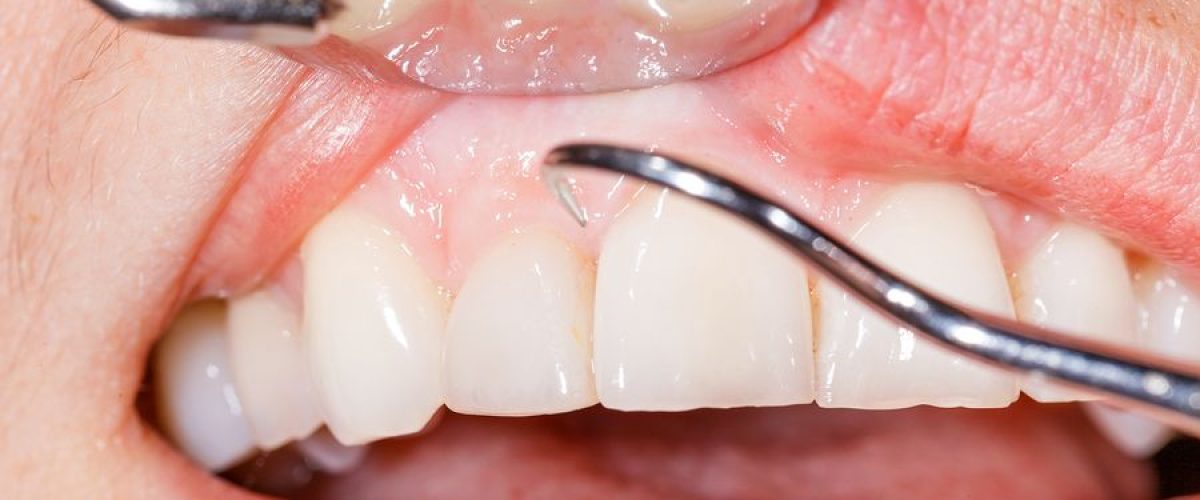
Understanding Gum Recession in Detail
Gum recession is a gradual process where the gum tissue pulls away from the tooth, exposing the root surface. Unlike enamel, the root is softer and more vulnerable, which is why untreated recession can quickly lead to complications.
What makes gum recession serious?
- Roots lack enamel → more prone to decay
- Increased nerve exposure → sensitivity
- Weak gum support → long-term tooth instability
This is why early diagnosis is critical.
Is Gum Grafting Always Necessary? (Important Clarification)
No, gum grafting is not always necessary, but it becomes essential in moderate to severe cases.
When it may NOT be needed:
- Mild recession
- No sensitivity
- Stable gum condition
- Managed with non-surgical care
When it becomes necessary:
- Progressive gum loss
- Root exposure causing discomfort
- Aesthetic concerns
- Risk of structural damage
Dentists at Dentalist Dental Clinic evaluate both clinical need and patient comfort before recommending treatment.
The Science Behind Gum Grafting
Gum grafting works by rebuilding lost tissue and restoring the protective barrier around teeth.
What happens biologically:
- Grafted tissue integrates with existing gums
- Blood supply reconnects (healing phase)
- New tissue strengthens gum structure
This process ensures long-term stability and protection.
Top Signs You Should NOT Ignore
Many patients ignore early signs, which leads to advanced damage.
Critical warning signs:
- Sudden increase in tooth sensitivity
- Teeth looking uneven or longer
- Dark yellow root surfaces visible
- Pain while brushing near gumline
- Gum shrinkage over time
These are strong indicators that you may need gum grafting in Kuala Lumpur.
Types of Gum Grafts (Expanded Understanding)
Choosing the right graft type is crucial for success.
Connective Tissue Graft (Most Common)
- Taken from under the palate
- Ideal for covering exposed roots
- Best long-term results
Free Gingival Graft
- Used for thin gums
- Helps strengthen gum thickness
Pedicle Graft
- Uses nearby gum tissue
- Faster healing due to existing blood supply
At Dentalist Dental Clinic, treatment is customized based on gum thickness, recession severity, and patient goals.
Gum Grafting Procedure – What Patients Don’t Usually Know
Beyond the basic steps, there are important details patients should understand.
Advanced insights:
- Procedure is microsurgical (precision-focused)
- Sutures are extremely fine for minimal scarring
- Healing environment is carefully controlled
This ensures natural-looking results and faster recovery.
Pain Level & Recovery Timeline (Enhanced Insight)
Gum grafting involves manageable discomfort, but understanding the real recovery journey helps reduce anxiety.
Gum Grafting Recovery Timeline: What to Expect Day by Day
Gum graft healing is gradual and predictable, with most patients recovering comfortably within a few weeks. At Dentalist Dental Clinic, recovery protocols are designed to ensure minimal discomfort and faster healing.
Day-by-Day Healing Experience (Real Patient Journey)
Day 1–2: Initial Healing Phase
- Mild swelling and tightness around the graft site
- Slight discomfort or sensitivity
- You may feel cautious while eating or speaking
Tip: Stick to soft foods and avoid touching the area
Day 3–5: Early Recovery Phase
- Swelling begins to reduce
- Discomfort becomes more manageable
- Healing tissue starts adapting
What you’ll notice: Less sensitivity and improved comfort
Week 1: Stabilization Phase
- Grafted tissue starts integrating with existing gums
- Most discomfort significantly reduces
- Daily activities become easier
Important: Follow oral hygiene instructions carefully
Week 2–3: Visible Healing Phase
- Gum tissue looks healthier and more natural
- Sensitivity is minimal or gone
- Eating and brushing return closer to normal
This is when patients see noticeable improvement
1 Month: Near Full Recovery
- Gum tissue is fully integrated
- No discomfort or sensitivity
- Final results become visible
Your gums now provide better protection and aesthetics
At Dentalist Dental Clinic, recovery protocols are designed to minimize downtime.
What’s Normal vs When to Be Concerned
Normal Signs
- Mild swelling in first few days
- Slight sensitivity
- Minor bleeding initially
Contact Your Dentist If You Notice
- Increasing pain after 3–5 days
- Persistent swelling
- Signs of infection
If unsure, consult Dentalist Dental Clinic for guidance.
Pro Tip for Faster Healing
- Avoid spicy, hot, or crunchy foods
- Do not brush directly on the graft site initially
- Follow medication instructions strictly
Proper care can speed up recovery and improve results
Key Takeaway
Gum graft recovery is smooth, manageable, and short-term, especially when treated early. Most patients return to normal routines quickly with minimal disruption.
What Happens If You Delay Treatment?
Delaying gum grafting doesn’t just worsen symptoms—it can lead to irreversible damage.
Long-Term Risks:
- Deep root decay
- Infection spreading to surrounding tissues
- Bone loss supporting the tooth
- Increased need for complex treatments
What starts as a minor issue can turn into tooth loss if ignored.
Benefits of Gum Grafting
Gum grafting offers more than just protection.
Advanced Benefits:
- Restores natural gum contour
- Improves smile symmetry
- Enhances confidence
- Reduces long-term dental costs
- Stabilizes teeth structurally
It’s both a functional and aesthetic investment.
Who is the Ideal Candidate?
Not everyone needs gum grafting, but ideal candidates include:
Best suited for:
- Patients with visible recession
- Individuals with sensitivity issues
- People with good overall oral hygiene
- Those seeking aesthetic improvement
A consultation at Dentalist Dental Clinic ensures accurate diagnosis.
Aftercare – The Key to Long-Term Success
Post-treatment care determines success.
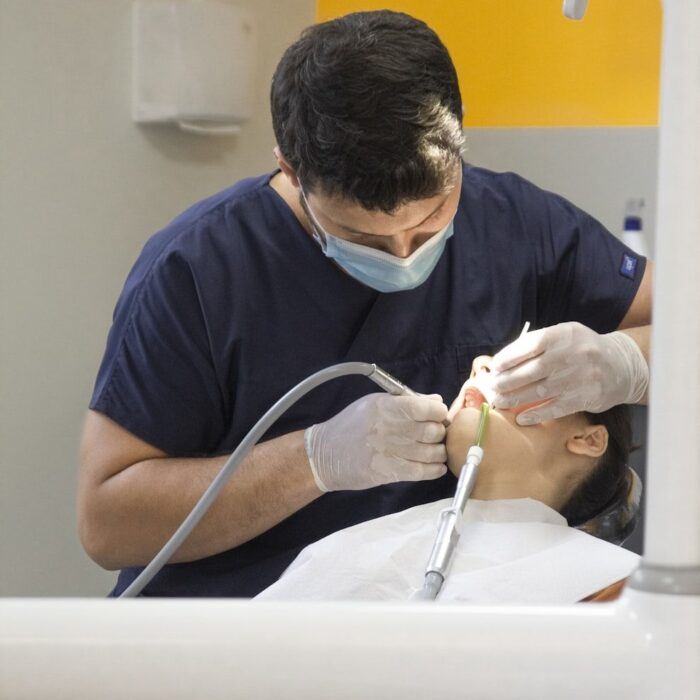
Essential aftercare steps:
- Avoid brushing graft site initially
- Use prescribed mouthwash
- Eat soft foods
- Avoid smoking
- Follow all dental instructions
Proper care ensures long-lasting results.
Expert Insight
Gum grafting is a well-established periodontal procedure supported by clinical research. When performed correctly, it provides predictable, long-term results. At Dentalist Dental Clinic, treatments follow modern protocols to ensure precision, safety, and patient comfort.
Conclusion: Do You Really Need Gum Grafting?
Gum grafting is not always necessary—but it becomes essential when gum recession starts affecting your comfort, oral health, or confidence.
If you’re experiencing sensitivity, visible root exposure, or receding gums, it’s a sign your teeth need extra protection.
Ignoring these signs can lead to more complex and costly dental problems over time.
The good news?
With modern techniques, gum grafting is safe, effective, and delivers long-lasting results—helping you protect your natural teeth and restore a healthy smile.
At Dentalist Dental Clinic, every treatment is planned with a focus on comfort,
precision, and long-term gum health.
Ready to Protect Your Gums Before It Gets Worse?
If you’ve noticed gum recession, sensitivity, or changes in your smile, now is the right time to act.
Why wait until it becomes painful or severe?
Why not treat it early with a proven solution?
Book Your Gum Grafting Consultation Today
Visit Dentalist Dental Clinic for:
- Expert evaluation of gum recession
- Personalized treatment planning
- Advanced, patient-friendly gum grafting procedures
Healthy gums are the foundation of a strong, confident smile—take the first step today.
FAQs
Is gum grafting necessary for receding gums?
Gum grafting is necessary when gum recession exposes tooth roots, causing sensitivity, risk of decay, or aesthetic concerns. At Dentalist Dental Clinic, dentists recommend gum grafting when non-surgical treatments cannot effectively protect the teeth.
Is gum grafting painful during or after the procedure?
Gum grafting is not painful during the procedure because local anesthesia is used. After the treatment, you may experience mild to moderate discomfort for a few days, which can be managed with medication and proper care.
How long does gum graft healing take?
Initial healing after gum grafting takes about 1 to 2 weeks, while complete healing and tissue integration may take 3 to 4 weeks, depending on the individual and the type of graft used.
Can receding gums grow back without gum grafting?
No, receding gums do not grow back naturally. Gum grafting is the most effective way to restore lost gum tissue and protect exposed tooth roots.
How much does gum grafting cost in Kuala Lumpur?
The cost of gum grafting in Kuala Lumpur varies depending on the severity of gum recession, number of teeth treated, and type of graft used. For an accurate estimate, it is best to consult Dentalist Dental Clinic.