Dentalist Sdn Bhd – Dental Clinic Kuala Lumpur North Kiara
- enquiry@dentalist.com.my
- Locate Us
- Monday - Sunday: 9.00am ~ 6.00pm
-
Mon - Sat: 9.00am ~ 6.00pm
Sun & PH: By Appointment ONLY

- Home
- About Us
- Implant
 We offer a comprehensive range of dental implant services to restore your smile and improve your oral health, including:
 Implant
The tooth is plants within the missing site's bone.
 Dental Bridge
Fill the space by trimming both neighboring teeth and combine three teeth into a single mass.
 Denture
Creating uniform teeth and dentition by taking a gum impression
 All-on-4
A cutting-edge dental implant method that uses just four implants to replace every tooth in your upper or lower jaw.
- Veneer
 Veneer are able to fixed:
- Chipped Teeth
- Discolored Teeth
- Crooked Teeth
- Worn-down Teeth
- Uneven Teeth
- Unusual Spaced Teeth
Two type of veneer treatment solutions, including:
 Porcelain Veneers
Dental Veneers made with Ceramic.
Composite VeneersDental Veneers made with Resin.
- Braces
 Clear Aligners
Clear Aligners is a popular alternative to traditional metal braces for straightening teeth. It uses a series of clear, removable aligners to gradually shift your teeth into their desired positions.
 Braces
The primary objective of braces is to straighten your teeth and correct any of your misalignments. Straight teeth are easier to clean, which reduces the possibility of cavities and gum disease.
- Dental Menu
- General DentistryCosmetic DentistryEndodonticsPeriodontics (Gum Care)ProsthodonticsMinor Oral SurgeryOther Services
- Dental Tips
- Dental Package
- Dental Tourism
- Home
- About Us
- Implant
- We offer a comprehensive range of dental implant services to restore your smile and improve your oral health, including: Implant
The tooth is plants within the missing site's bone.
Dental BridgeFill the space by trimming both neighboring teeth and combine three teeth into a single mass.
DentureCreating uniform teeth and dentition by taking a gum impression
All-on-4A cutting-edge dental implant method that uses just four implants to replace every tooth in your upper or lower jaw.
- Veneer
- Veneer are able to fixed:
- Chipped Teeth
- Discolored Teeth
- Crooked Teeth
- Worn-down Teeth
- Uneven Teeth
- Unusual Spaced Teeth
Two type of veneer treatment solutions, including:
Porcelain VeneersDental Veneers made with Ceramic.
Composite VeneersDental Veneers made with Resin.
- Braces
- Clear Aligners
Clear Aligners is a popular alternative to traditional metal braces for straightening teeth. It uses a series of clear, removable aligners to gradually shift your teeth into their desired positions.
BracesThe primary objective of braces is to straighten your teeth and correct any of your misalignments. Straight teeth are easier to clean, which reduces the possibility of cavities and gum disease.
- Dental Menu
- General DentistryCosmetic DentistryEndodonticsPeriodontics (Gum Care)ProsthodonticsMinor Oral SurgeryOther Services
- Dental Tips
- Dental Package
- Dental Tourism

What Is an Intraoral Scanner? Benefits, Procedure, Cost & Why It Is Revolutionising Digital Dentistry in Kuala Lumpur
If you’ve ever felt uncomfortable biting into a tray filled with impression material during a dental visit, you’re not alone. Many patients find traditional dental moulds unpleasant, messy, and sometimes even anxiety-inducing. Fortunately, modern dentistry has introduced a faster, cleaner, and far more comfortable alternative—the intraoral scanner.
At Dentalist Dental Clinic Kuala Lumpur, we believe advanced technology should make every dental visit more accurate, efficient, and comfortable. That’s why we use digital dentistry solutions like intraoral scanners to create highly detailed 3D images of your teeth and gums without the need for messy traditional impressions.
Whether you’re planning for clear aligners, dental implants, porcelain veneers, crowns, bridges, smile makeovers, or a routine dental assessment, understanding how an intraoral scanner works can help you feel more confident about your treatment.
- Yellow teeth
- How it works
- Why dentists prefer digital impressions
- Benefits for patients
- Treatments that use intraoral scanning
- Procedure and cost
- Why digital dentistry is transforming dental care in Kuala Lumpur
Quick Answer: What Is an Intraoral Scanner?
An intraoral scanner is a handheld digital device that captures highly accurate 3D images of your teeth, gums, and bite. Instead of using traditional impression materials, the scanner creates a digital model of your mouth within minutes, allowing dentists to diagnose conditions, plan treatments, and fabricate restorations with exceptional precision.
Digital scans are widely used in treatments such as:
- Dental implants
- Clear aligners
- Crowns and bridges
- Porcelain veneers
- Smile makeovers
- Cosmetic dentistry
- Restorative dentistry
Because the process is quick, comfortable, and highly accurate, intraoral scanners have become an essential part of modern digital dentistry.
Why Is Digital Dentistry Becoming the New Standard?
The field of dentistry has evolved dramatically over the past decade. Traditional methods that relied on physical impressions and manual measurements are now being replaced by advanced digital technologies that improve efficiency and clinical outcomes.
Digital dentistry combines modern imaging, computer-aided design (CAD), and advanced manufacturing techniques to deliver more predictable and personalised dental care. Intraoral scanners are one of the key innovations driving this transformation.
For patients, this means:
- More comfortable dental visits
- Faster diagnosis
- Better treatment accuracy
- Reduced waiting times
- Improved communication with the dentist
- Enhanced confidence before treatment begins
Instead of waiting days to see what your dental impressions look like, you can view a detailed 3D model of your smile in real time. This allows you to better understand your oral health and participate in treatment decisions.
For dentists, digital workflows minimise human error, improve collaboration with dental laboratories, and help achieve consistently accurate results for restorative and cosmetic procedures.
How Does an Intraoral Scanner Work?
One of the biggest misconceptions patients have is that digital scanning involves radiation or complicated equipment. In reality, the process is simple, safe, and completely non-invasive.
The intraoral scanner contains a small optical camera that captures thousands of images every second while your dentist gently moves it around your mouth. Advanced software then stitches these images together to create a precise 3D digital model of your teeth and gums.
The entire scanning process usually takes just a few minutes and allows your dentist to:
- Examine your teeth from every angle
- Assess bite alignment
- Detect worn or damaged teeth
- Plan orthodontic treatments
- Design crowns and veneers
- Prepare for dental implants
- Monitor changes in oral health over time
Since the images appear instantly on a computer screen, your dentist can explain findings more clearly and answer your questions during the same appointment.
Traditional Dental Impressions vs Intraoral Scanners
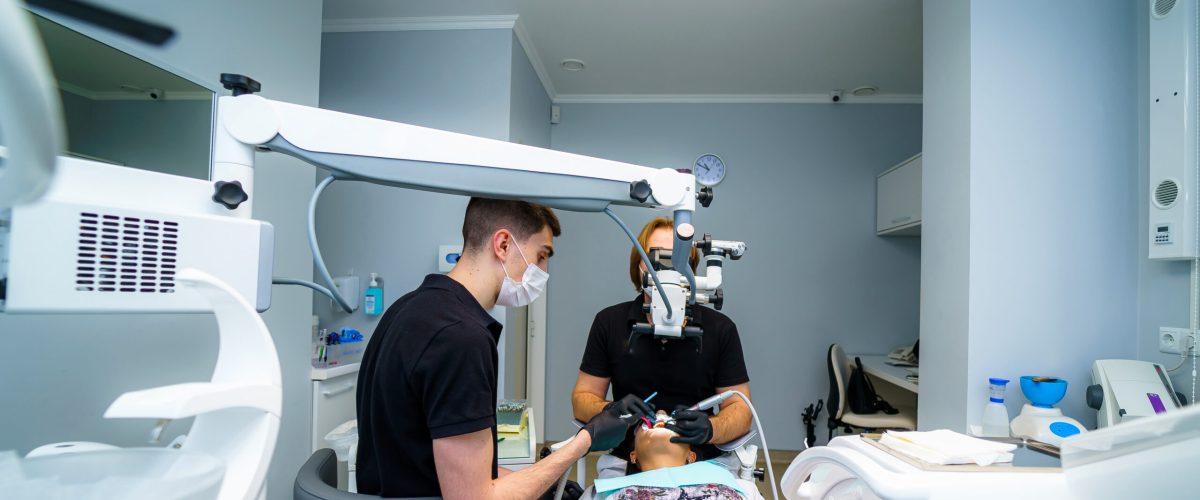
Many people still associate dental impressions with large trays filled with thick impression material that can feel uncomfortable and trigger gagging. While this method has been used successfully for decades, digital scanning has significantly improved the patient experience.
| Traditional Dental Impressions | Intraoral Scanner |
|---|---|
| Uses impression material | Completely digital |
| May trigger gag reflex | Comfortable scanning experience |
| Can require retakes | Highly accurate first-time scans |
| Longer processing time | Instant digital results |
| Physical storage required | Secure digital records |
| Less patient engagement | Real-time 3D visualisation |
| Manual workflow | Fully digital workflow |
Why Patients Love Digital Dental Scans
Patients often tell us that they were surprised by how quick and comfortable the scanning process felt. Since there are no bulky trays or messy materials, the experience is much more pleasant, especially for children, elderly patients, and individuals with sensitive gag reflexes.
Some of the biggest reasons patients appreciate intraoral scanning include:
- Comfortable, mess-free experience
- Faster appointments
- No unpleasant impression material
- Highly accurate treatment planning
- Ability to view their own 3D dental scan
- Better understanding of treatment options
- Greater confidence before starting procedures
Seeing your teeth in a detailed 3D model also helps you understand your oral health more clearly, making it easier to discuss treatment options with your dentist.
Why Dentalist Dental Clinic Kuala Lumpur Uses Intraoral Scanning
At Dentalist Dental Clinic Kuala Lumpur, we are committed to providing advanced, patient-centred dental care through the latest digital technologies. Our use of intraoral scanning reflects our focus on precision, comfort, and predictable treatment outcomes.
Whether you’re visiting us for a routine dental check-up or a complete smile transformation, digital scanning helps us deliver personalised care tailored to your unique dental needs. By integrating modern technology into every stage of treatment, we can improve communication, reduce unnecessary delays, and enhance the overall patient experience.
Our digital workflow supports a wide range of treatments, including dental implants, clear aligners, crowns, bridges, veneers, cosmetic dentistry, and comprehensive smile makeovers, ensuring every restoration is planned with exceptional accuracy.
What Are the Benefits of an Intraoral Scanner?
Modern dentistry is no longer just about treating dental problems—it’s about delivering a better patient experience through advanced technology. One of the biggest innovations transforming dental care is the intraoral scanner, which offers significant advantages over traditional dental impressions.
At Dentalist Dental Clinic Kuala Lumpur, we use advanced digital scanning technology to ensure every treatment begins with accurate diagnosis and precise planning. Whether you’re considering dental implants, clear aligners, crowns, veneers, or a smile makeover, an intraoral scanner helps improve treatment quality while making your visit more comfortable.
Let’s explore why more dentists and patients are choosing digital dentistry.
1. Exceptional Accuracy for Better Treatment Outcomes
An intraoral scanner creates a highly accurate 3D model of your teeth, gums, and bite, helping dentists plan treatments with greater precision. This leads to restorations that fit better and require fewer adjustments.
Benefits include:
- Better-fitting crowns and bridges
- Accurate dental implant planning
- Improved clear aligner results
- Natural-looking veneers
- Long-lasting restorations
2. Comfortable & Mess-Free Digital Impressions
Forget bulky trays and messy impression materials. An intraoral scanner captures digital images quickly and comfortably, making it ideal for patients with a sensitive gag reflex, children, older adults, and those with dental anxiety.
Benefits include:
- No messy impressions
- Faster and more comfortable scans
- Suitable for all ages
- Reduced gag reflex
3. Faster Appointments & Treatment Planning
Digital scans are available instantly, allowing your dentist to review your oral health and begin treatment planning during the same visit. This reduces waiting times and speeds up your dental journey.
Benefits include:
- Immediate scan results
- Faster diagnosis
- Quicker treatment planning
- Digital lab communication
4. Better Patient Understanding
The 3D digital model lets you see your teeth on-screen, making it easier to understand your dental condition and recommended treatment.
Benefits include:
- Clear visual explanations
- Better treatment understanding
- More informed decisions
- Greater patient confidence
5. Improved Cosmetic Dentistry Results
Digital scans help dentists design precise, natural-looking smiles for cosmetic treatments such as veneers, crowns, smile makeovers, and composite bonding.
Ideal for:
- Porcelain veneers
- Smile makeovers
- Dental crowns
- Composite bonding
6. Precise Dental Implant Planning
Intraoral scanners provide detailed digital measurements for accurate implant planning, improving both function and appearance.
Benefits include:
- Accurate implant placement
- Better restoration fit
- Improved aesthetics
- Predictable outcomes
7. Better Clear Aligner Treatment
Accurate digital scans help create custom clear aligners that fit comfortably and move teeth more efficiently.
Benefits include:
- Custom aligners
- Better fit
- Predictable tooth movement
- Enhanced comfort
Digital scanning reduces the need for disposable impression materials and paper records, supporting a more sustainable and efficient dental practice.
Benefits include:
- Less material waste
- Secure digital records
- Easy file sharing
- Efficient workflow
8. Better Long-Term Oral Health Monitoring
Your dentist can compare digital scans over time to detect early changes in your teeth, gums, and bite, helping prevent more serious dental problems.
Helps monitor:
- Tooth wear
- Gum recession
- Bite changes
- Cracked teeth
- Early signs of dental issues
Why Modern Dentists Prefer Intraoral Scanners
Digital dentistry is transforming the way dentists diagnose, plan, and deliver care. Intraoral scanners have become a preferred choice because they combine speed, precision, and patient comfort in a single technology.
For dentists, they improve workflow efficiency and treatment accuracy. For patients, they offer a smoother, more comfortable experience with predictable results.
At Dentalist Dental Clinic Kuala Lumpur, we believe investing in advanced digital technology is an investment in our patients’ confidence and oral health. By using intraoral scanners as part of our digital workflow, we can provide personalised treatment plans, improve communication, and deliver high-quality outcomes across a wide range of dental procedures.
Key Takeaways
- Digital scans are faster, cleaner, and more comfortable than traditional impressions.
- High-precision 3D images improve diagnosis and treatment planning.
- Intraoral scanners support dental implants, clear aligners, crowns, veneers, and smile makeovers.
- Patients can view their digital scans in real time, making treatment decisions easier.
- Digital workflows enhance accuracy, efficiency, and long-term oral health monitoring.
Intraoral Scanner Procedure, Cost, FAQs & Why Choose Dentalist Dental Clinic Kuala Lumpur
Many patients are pleasantly surprised by how quick and comfortable an intraoral scan is. Unlike traditional dental impressions that involve bulky trays and impression materials, digital scanning is clean, precise, and completely non-invasive.
At Dentalist Dental Clinic Kuala Lumpur, our experienced dental team uses advanced intraoral scanning technology to create a highly accurate 3D model of your teeth and gums. The entire process is designed to make your visit smoother while ensuring your treatment starts with the most accurate digital information possible.
Here’s what you can expect during your appointment.
Step 1: Comprehensive Oral Examination
Before the scan begins, your dentist performs a detailed examination of your teeth, gums, and bite. This helps identify any concerns that may influence your treatment plan, such as cavities, gum disease, worn teeth, or bite irregularities.
If you’re visiting us for cosmetic dentistry, clear aligners, or dental implants, your dentist will also discuss your smile goals and recommend the most suitable treatment options.
Step 2: Digital Intraoral Scanning
A dentist can evaluate your oral health and recommend appropriate treatment options.
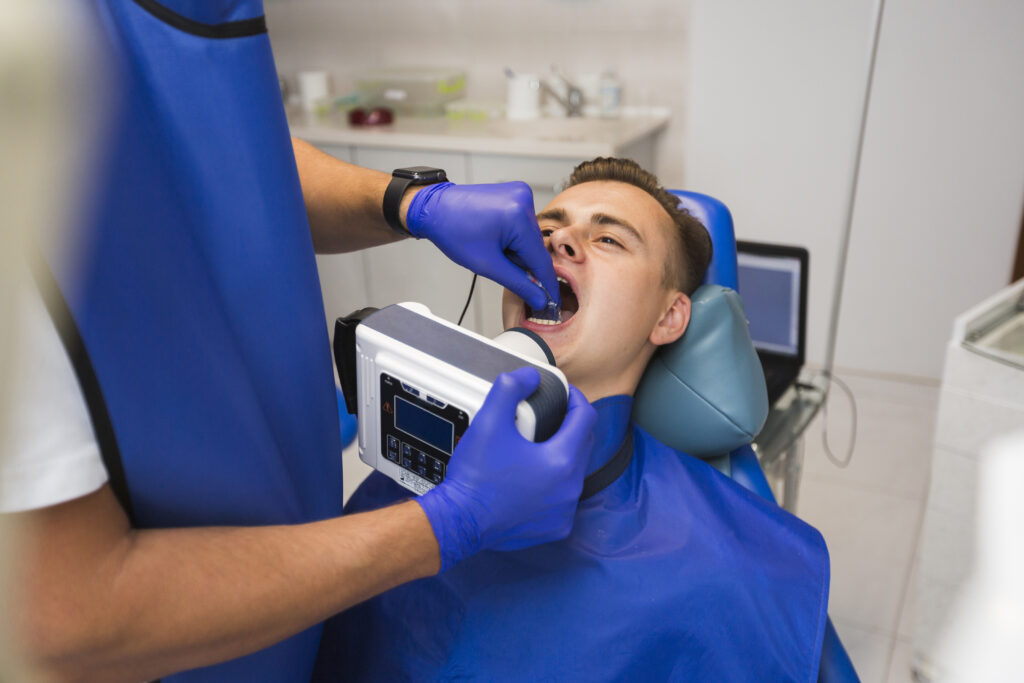
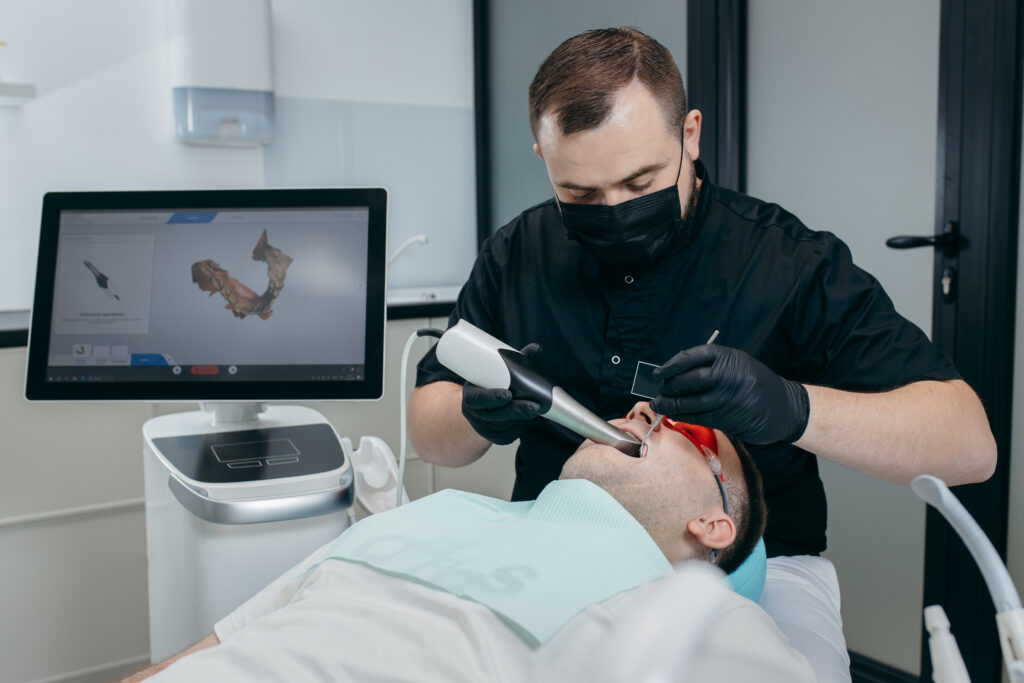
A small handheld scanner is gently moved around your mouth to capture thousands of high-resolution images of your teeth and gums.
The scanner uses safe optical imaging technology to record every surface with exceptional precision.
Most patients find this process comfortable because it:
- Requires no impression material
- Does not trigger a gag reflex
- Is completely pain-free
- Takes only a few minutes
- Requires no injections or recovery time
Within minutes, the images are combined into a detailed 3D digital model.
Step 3: Review Your 3D Digital Smile
One of the biggest advantages of digital dentistry is that you can immediately view your scan on a computer screen.
Your dentist will explain:
- The condition of your teeth
- Bite alignment
- Existing restorations
- Areas requiring treatment
- Potential cosmetic improvements
Seeing your own smile in 3D helps you better understand your oral health and participate in treatment decisions with greater confidence.
Step 4: Personalised Treatment Planning
Once your scan is complete, your dentist uses the digital model to develop a customised treatment plan.
Depending on your needs, the scan may be used for:
- Dental implants
- Clear aligners
- Porcelain veneers
- Crowns and bridges
- Smile makeovers
- Cosmetic dentistry
- Restorative dentistry
- Full mouth rehabilitation
Because digital scans are highly accurate, restorations are designed to fit more precisely, improving comfort, function, and aesthetics.
Step 5: Digital Laboratory Workflow
Instead of sending physical impressions to a dental laboratory, the digital scan is securely transmitted electronically.
This modern workflow offers several advantages:
- Faster communication
- Improved precision
- Reduced risk of distortion
- Quicker restoration fabrication
- Better overall treatment efficiency
The result is a seamless process that benefits both patients and dental professionals.
How Long Does an Intraoral Scan Take?
One of the most common questions patients ask is how much time the procedure requires.
The good news is that an intraoral scan is remarkably quick.
For most patients:
- Scanning usually takes 3 to 10 minutes
- Complete consultation may take 20–40 minutes, depending on your treatment needs
- No recovery period is required
- You can return to your normal daily activities immediately after your appointment
The exact duration depends on whether you’re having a routine dental assessment or planning a more complex treatment such as dental implants or clear aligners.
Is an Intraoral Scanner Safe?
Yes. Intraoral scanners are considered a safe and reliable technology for patients of all ages.
Unlike X-rays, intraoral scanners use optical light to capture digital images and do not expose patients to radiation during the scanning process.
The procedure is:
- Non-invasive
- Pain-free
- Comfortable
- Radiation-free
- Suitable for children and adults
- Safe for repeated use when clinically required
If you have concerns about dental procedures or experience dental anxiety, digital scanning offers a much more relaxed experience compared to traditional impression methods.
How Much Does an Intraoral Scanner Cost in Kuala Lumpur?
Many patients assume they need to pay separately for an intraoral scan. However, this depends on the type of dental treatment you are receiving.
At Dentalist Dental Clinic Kuala Lumpur, the use of an intraoral scanner is often incorporated into the diagnosis and treatment planning process for procedures such as dental implants, clear aligners, crowns, bridges, veneers, and smile makeovers.
The overall treatment cost can vary depending on factors such as:
- Type of dental procedure
- Complexity of your case
- Number of teeth involved
- Materials used
- Additional diagnostic imaging, if required
During your consultation, our dentists will explain your personalised treatment plan and provide a transparent cost estimate, ensuring you understand every step before treatment begins.
Who Can Benefit from an Intraoral Scanner?
Digital intraoral scanning is suitable for a wide range of patients and dental treatments.
You may benefit from this technology if you are planning:
- Dental implants
- Clear aligners
- Porcelain veneers
- Dental crowns
- Dental bridges
- Smile makeover treatments
- Cosmetic dentistry
- Full mouth rehabilitation
- Routine dental check-ups
- Preventive oral health assessments
Whether you’re replacing missing teeth, straightening your smile, or restoring damaged teeth, digital scanning enhances accuracy and improves treatment outcomes.
Why Choose Dentalist Dental Clinic Kuala Lumpur for Digital Dentistry?
Choosing a dental clinic that embraces modern technology can make a significant difference to your treatment experience.
At Dentalist Dental Clinic Kuala Lumpur, we combine advanced digital dentistry with personalised patient care to deliver comfortable, accurate, and predictable results.
Why Patients Trust Dentalist
✔ Advanced intraoral scanner technology
✔ Experienced and skilled dentists
✔ Comfortable, patient-focused environment
✔ Accurate digital treatment planning
✔ Personalised smile solutions
✔ Comprehensive dental services under one roof
✔ High standards of infection control and patient safety
✔ Transparent treatment recommendations
✔ Convenient location in Kuala Lumpur
✔ Commitment to long-term oral health
Whether you’re visiting us for preventive care or a complete smile transformation, we focus on delivering high-quality dentistry using the latest innovations.
Frequently Asked Questions
Does an intraoral scanner hurt?
No. The procedure is completely pain-free. A small handheld scanner gently captures digital images without causing discomfort.
Is an intraoral scanner better than traditional dental impressions?
For many patients, yes. Digital scans are generally more comfortable, highly accurate, and faster than traditional impression techniques.
Can children undergo an intraoral scan?
Yes. Intraoral scanners are safe and comfortable for children and can be particularly helpful because they eliminate messy impression materials.
How accurate is an intraoral scanner?
Modern intraoral scanners produce highly detailed 3D digital models, helping dentists plan treatments with exceptional precision.
Can an intraoral scanner detect cavities?
While an intraoral scanner provides detailed images of the teeth and gums, dentists may also recommend X-rays or other diagnostic tools to identify cavities and conditions that are not visible on the tooth surface.
Is digital scanning suitable for dental implants?
Absolutely. Digital scans are widely used for dental implant planning because they provide accurate measurements for precise implant placement and restoration design.
Can an intraoral scanner be used for clear aligners?
Yes. Clear aligner treatment relies on accurate digital scans to create customised aligners that fit comfortably and move teeth effectively.
How often will I need an intraoral scan?
The frequency depends on your oral health needs and treatment plan. Your dentist will recommend scanning only when clinically necessary.
Final Thoughts
Digital dentistry has transformed the way dentists diagnose, plan, and deliver treatment, and the intraoral scanner is one of the technologies leading this change. By replacing traditional dental impressions with fast, accurate, and comfortable digital scans, patients can enjoy a smoother experience while benefiting from more precise treatment planning and predictable results.
Whether you’re considering dental implants, clear aligners, porcelain veneers, crowns, bridges, or a complete smile makeover, an intraoral scanner helps ensure that every stage of your treatment is tailored to your unique smile.
At Dentalist Dental Clinic Kuala Lumpur, we are committed to combining advanced technology with personalised care to help you achieve a healthier, more confident smile.
Ready to Experience the Future of Digital Dentistry?