
Enjoy 50% Discount OFF!
Package include General Consultation, Orthopantomogram (OPG)*, Digital 3D Scanning & Dental Report, Scaling and Polishing.

Dentalist Sdn Bhd – Dental Clinic Kuala Lumpur North Kiara


The tooth is plants within the missing site's bone.

Fill the space by trimming both neighboring teeth and combine three teeth into a single mass.

Creating uniform teeth and dentition by taking a gum impression

A cutting-edge dental implant method that uses just four implants to replace every tooth in your upper or lower jaw.

Two type of veneer treatment solutions, including:

Dental Veneers made with Ceramic.
Dental Veneers made with Resin.

Clear Aligners is a popular alternative to traditional metal braces for straightening teeth. It uses a series of clear, removable aligners to gradually shift your teeth into their desired positions.

The primary objective of braces is to straighten your teeth and correct any of your misalignments. Straight teeth are easier to clean, which reduces the possibility of cavities and gum disease.
The tooth is plants within the missing site's bone.
Fill the space by trimming both neighboring teeth and combine three teeth into a single mass.
Creating uniform teeth and dentition by taking a gum impression
A cutting-edge dental implant method that uses just four implants to replace every tooth in your upper or lower jaw.
Two type of veneer treatment solutions, including:
Dental Veneers made with Ceramic.
Dental Veneers made with Resin.
Clear Aligners is a popular alternative to traditional metal braces for straightening teeth. It uses a series of clear, removable aligners to gradually shift your teeth into their desired positions.
The primary objective of braces is to straighten your teeth and correct any of your misalignments. Straight teeth are easier to clean, which reduces the possibility of cavities and gum disease.
By Dentalist
Why Do Scaling and Fillings Cause So Much Confusion?
Many people feel unsure the moment a dentist mentions scaling or fillings. The thoughts are often the same:
In Malaysia, these questions are very common. Busy work schedules, fear of discomfort, worries about cost, or the belief that the problem is still small often lead people to delay dental care.
The problem is that dental issues usually do not appear suddenly. They develop slowly, often without clear warning signs. By the time pain starts, the situation is usually more complicated than it needed to be.
Understanding what scaling and fillings actually do can help remove unnecessary fear and make dental decisions easier.
This is one of the most common questions people ask.
Many believe:
“If there is no pain, there is no problem.”
But in reality, many dental issues begin quietly. Early gum problems, plaque buildup, and small cavities often cause no pain at all.
Pain usually appears only when the condition has progressed. At that stage, treatment may involve more time, more discomfort, and more cost than if the issue had been addressed earlier.
In Malaysia, many people visit a dentist only when eating becomes uncomfortable or sleep is affected. Early care helps avoid reaching that stage.
What Is Scaling? Explained Simply
Scaling is professional dental cleaning.
Its purpose is not cosmetic whitening. It is done to remove:
Even with regular brushing, plaque can collect:
When plaque hardens into tartar, brushing alone cannot remove it. Professional cleaning is needed to clear these deposits safely.
This is a reasonable question.
Brushing is essential, but it has limits:
Dietary habits common in Malaysia, such as sugary drinks, frequent snacking, and carbohydrate-rich meals, can speed up plaque formation. Even good brushing habits may not be enough to prevent buildup completely.
Scaling helps restore cleanliness in areas brushing cannot reach and supports healthier gums.
Is Scaling Painful?
For most people, scaling is not painful.
Common sensations include:
If the gums are already inflamed or bleeding, there may be some discomfort, but it is usually short-lived and manageable.
After scaling, many people notice:
This is a common misunderstanding.
Scaling does not weaken teeth.
What often happens is:
If teeth feel loose after scaling, it usually means gum problems were already present. Scaling helps prevent further damage rather than causing it.
How Often Should Scaling Be Done?
There is no single schedule that fits everyone.
The need for scaling depends on factors such as:
A dental examination helps determine how often professional cleaning is needed.
What Are Fillings?
Fillings are used to repair teeth damaged by cavities.
Cavities usually develop slowly:
In the early stages, cavities often do not cause pain. This is why many people feel confused when a filling is recommended even though they feel fine.
Pain usually means the cavity has already become deep and may be close to the nerve.
Early cavities:
Waiting until pain appears often leads to more complicated treatment. Early fillings are usually simpler and less stressful.
How Can I Tell If I Might Need a Filling?
Some signs that may suggest a dental check is needed include:
Some cavities are found only during a dental examination, even before symptoms appear.
Will a Small Cavity Go Away on Its Own?
Many people hope a small cavity will disappear if it is not painful.
In reality:
If a small cavity is left untreated, it can lead to:
Taking action early usually means a simpler and more comfortable solution.
Do Fillings Hurt?
Most fillings are done with minimal discomfort.
During or after a filling, you may notice:
These sensations usually settle within a short time.
This is a question many patients ask.
Scaling and fillings treat different problems:
Both may be recommended at the same visit because these issues often exist together.
For many patients, hearing more than one recommendation can feel worrying. It is important to understand that this does not always mean a serious condition. Often, it simply reflects that the gums and teeth are affected in different ways and need separate care. Addressing both early helps prevent future discomfort and avoids more complicated treatment later.
This is a very common concern.
Many people associate seriousness with pain.
In reality:
Dental problems often progress quietly, which makes them easy to ignore. Just because daily activities feel normal does not mean there is no issue. Early advice is usually meant to protect long-term comfort rather than respond to pain.
Some patients feel dental problems appear overnight.
What usually happens is:
This sudden change can feel alarming, especially when there were no earlier symptoms. In most cases, the condition has been developing slowly beneath the surface. Pain simply appears when the problem reaches a stage that can no longer be ignored.
Waiting may seem harmless when there is no pain.
However, dental problems usually:
Waiting often feels reasonable when there is no discomfort, but dental problems rarely stay the same. Small issues tend to grow gradually, making future treatment more time-consuming and uncomfortable. Early care usually means fewer steps and better outcomes.
This question comes up often.
Regular dental checks help:
Regular checks are meant to catch changes before they cause discomfort. Many patients find reassurance in knowing their dental health is being monitored. This approach helps reduce surprises and supports more confident decision-making.
This question surprises many patients.
Daily habits affect dental health more than expected:
Daily habits give important clues about how dental problems may be developing. Even small routines can influence plaque buildup over time. Discussing habits helps dentists offer advice that fits real life, not just clinical findings.
This is a very common question.
Scaling removes existing plaque and tartar.
However:
Needing scaling again does not mean something went wrong previously. It simply reflects how plaque naturally forms over time. Ongoing care helps maintain gum health and prevent problems from returning.
Many people think dental issues affect only teeth.
In reality:
Oral discomfort can affect daily life in subtle ways. Difficulty chewing, disturbed sleep, or selfconsciousness can gradually reduce overall comfort. Maintaining oral health supports more than just the teeth—it supports daily well-being.
Scaling vs Fillings: What Is the Difference?
Scaling Fillings
Preventive care Restorative care
Removes plaque and tartar Repairs damaged teeth
Supports gum health Stops cavity progression
Done regularly Done when damage exists
They serve different purposes and are often needed at different times.
Why Many Malaysians Delay Dental Care
Common reasons include:
• Busy work schedules
Unfortunately, dental problems rarely resolve on their own. Early attention usually prevents bigger issues later.
How Scaling and Fillings Support Long-Term Oral Health
Together, they help:
Daily Habits That Support Dental Health
Professional care works best when combined with daily habits:
Common Misunderstandings That Cause Fear
Misunderstanding: Scaling damages teeth Reality: Scaling protects gums and teeth
Misunderstanding: Fillings are only needed when there is pain Reality: Early fillings prevent pain
Misunderstanding: No pain means no problem Reality: Many issues start silently
Oral Health Affects More Than Just Teeth
Healthy teeth help support: • Proper chewing
Ignoring oral health may affect general health over time.
When Should You Consider a Dental Check?
You may want to see a dentist if:
A check-up often provides reassurance and clarity.
Conclusion: Understanding Reduces Fear and Delay
Scaling and fillings may seem like simple dental procedures, but they play an important role in maintaining long-term oral health. Many concerns come from uncertainty, and many delays come from fear or misunderstanding.
When people understand why these procedures are recommended and how they help, dental care becomes easier to approach and less stressful. Early attention often helps prevent problems from becoming more complicated later.
Clinics such as Dentalist focus on helping patients clearly understand their dental condition, so decisions about scaling, fillings, and routine care can be made with confidence.
Good dental care is not about waiting for pain. It is about prevention, early action, and long-term comfort.
Enjoy 50% Discount OFF!
Package include General Consultation, Orthopantomogram (OPG)*, Digital 3D Scanning & Dental Report, Scaling and Polishing.
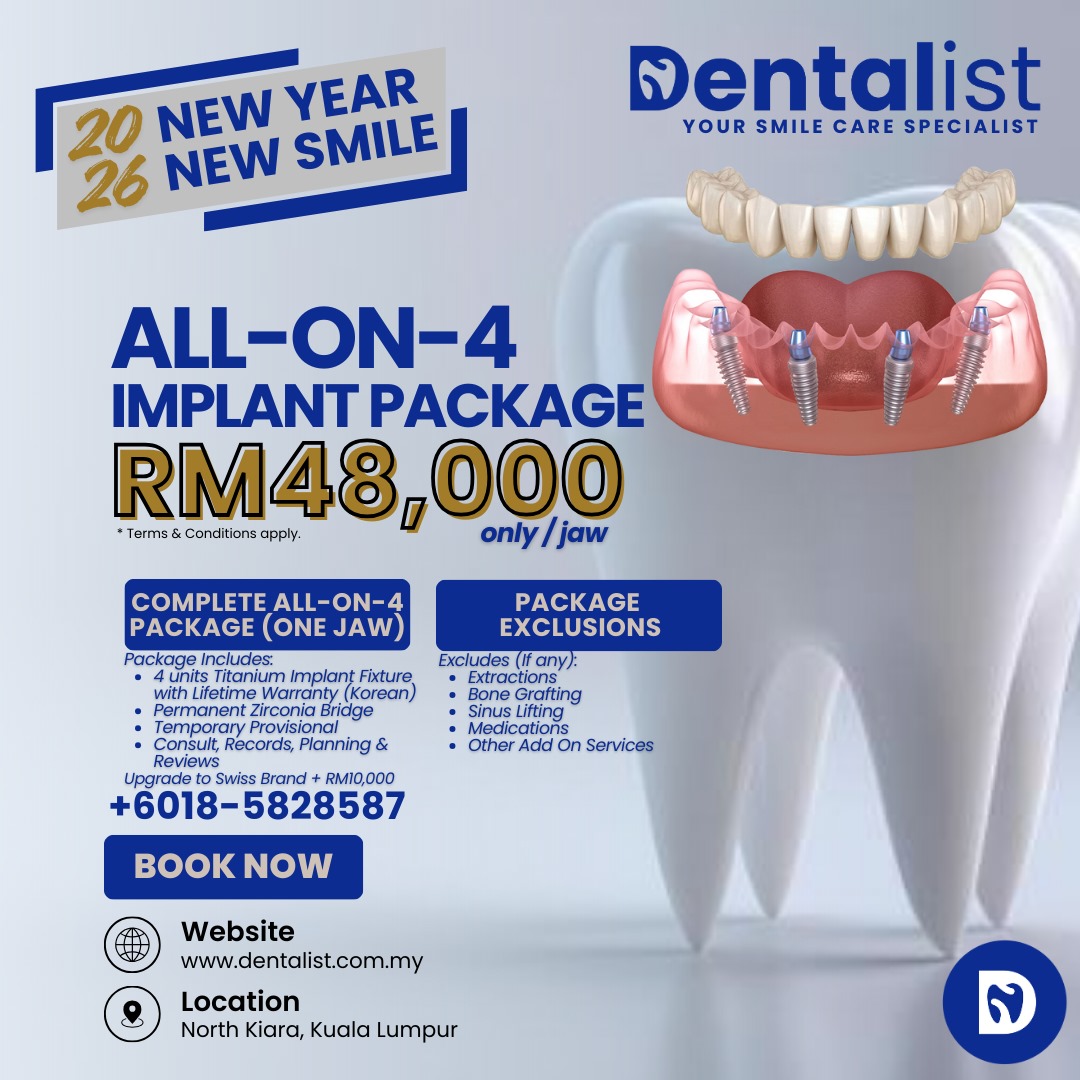
Celebrate Our New Year, New Smile Promo for ALL-ON-4 Implant Package at Dentalist Kuala Lumpur with 20% Reduction and FREE Consultation in Dentalist! PROMO valid till 31 December 2025. Your Smile Care Specialist.
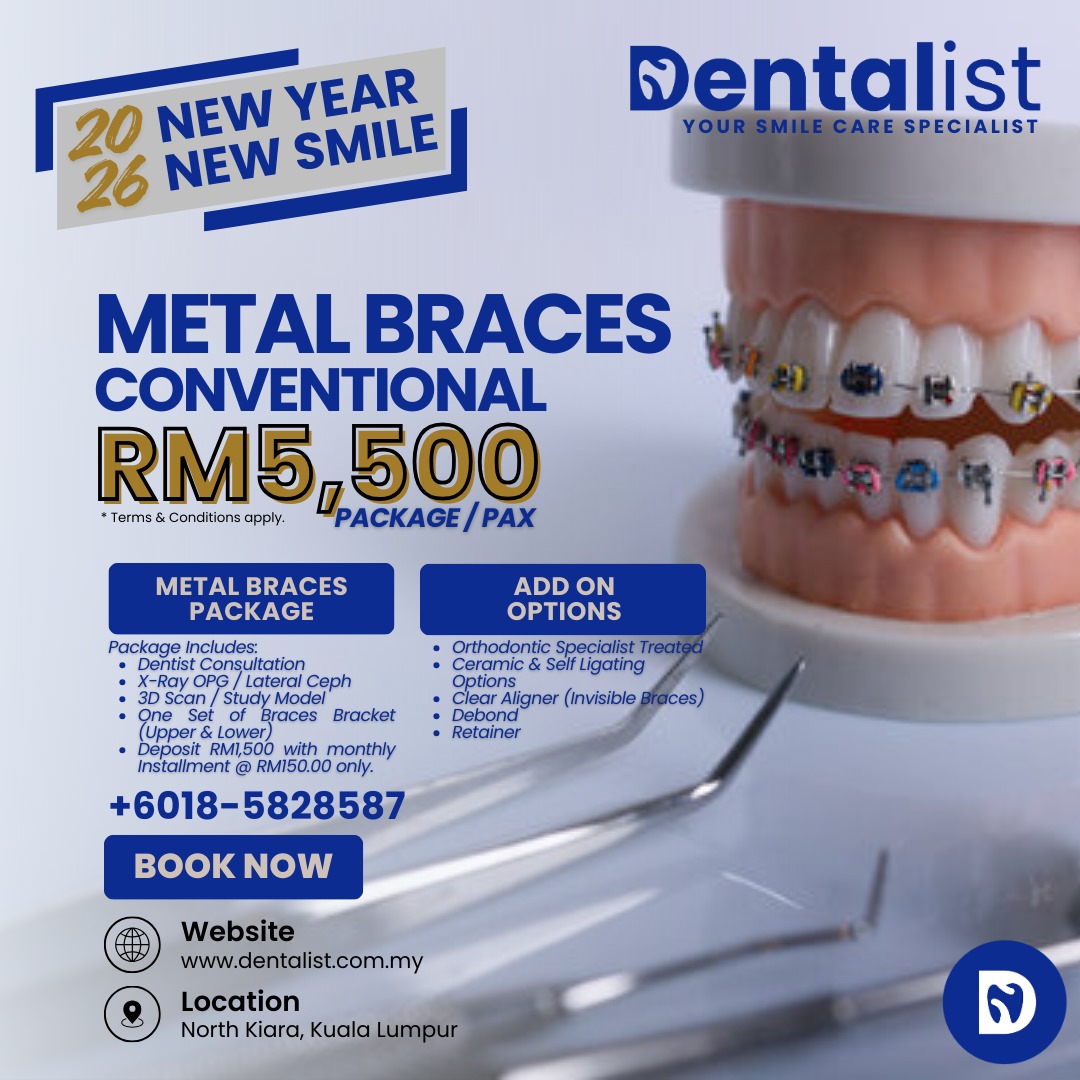
Celebrate Our New year, New Smile Promo for Conventional Metal Braces at Dentalist Kuala Lumpur with 8% Reduction and FREE Consultation in Dentalist! PROMO valid till 31 December 2025. Your Smile Care Specialist.
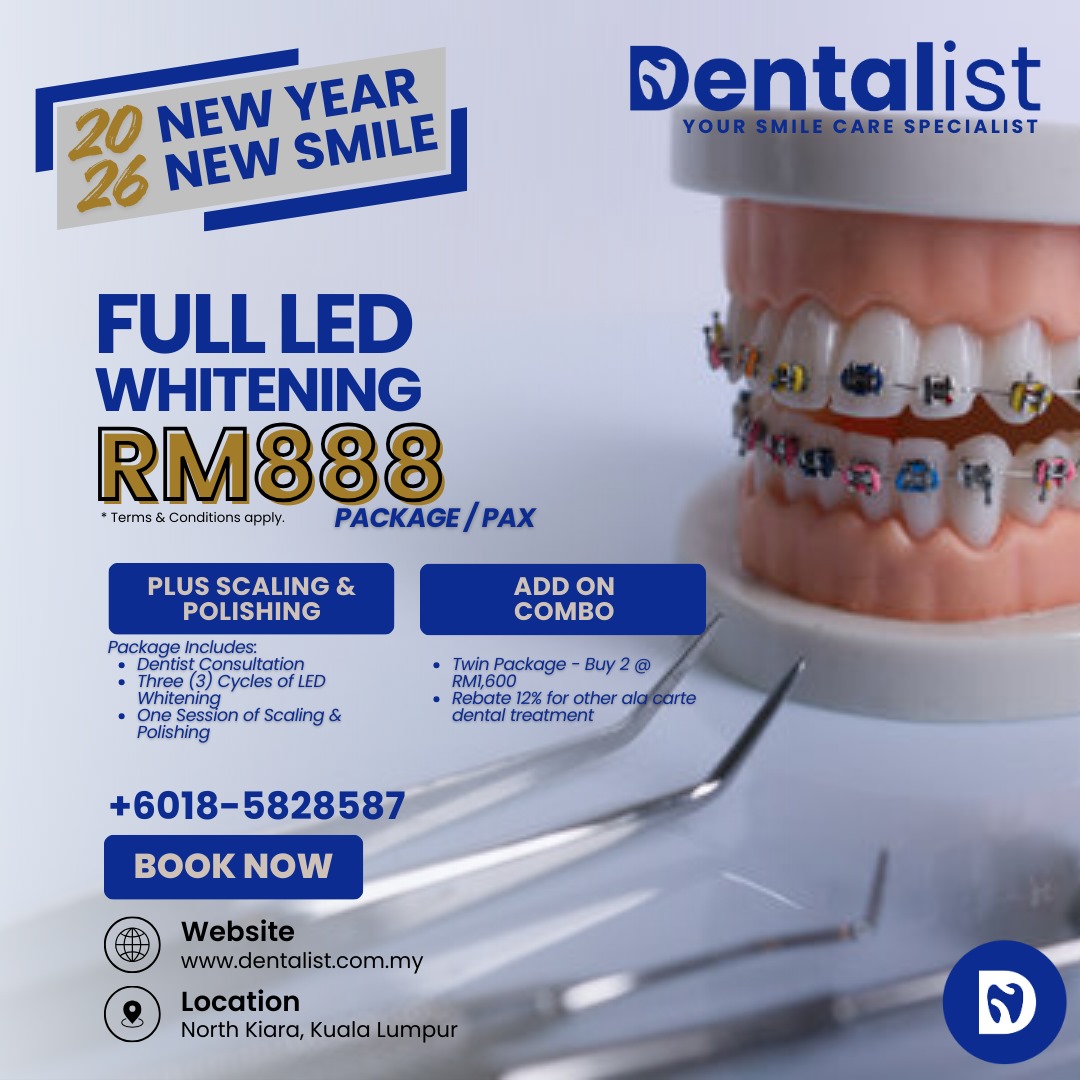
Celebrate Our New year, New Smile Promo for Full LED Whitening + Scaling & Polishing at Dentalist Kuala Lumpur with 37% Reduction and FREE Consultation in Dentalist! PROMO valid till 31 December 2025. Your Smile Care Specialist.
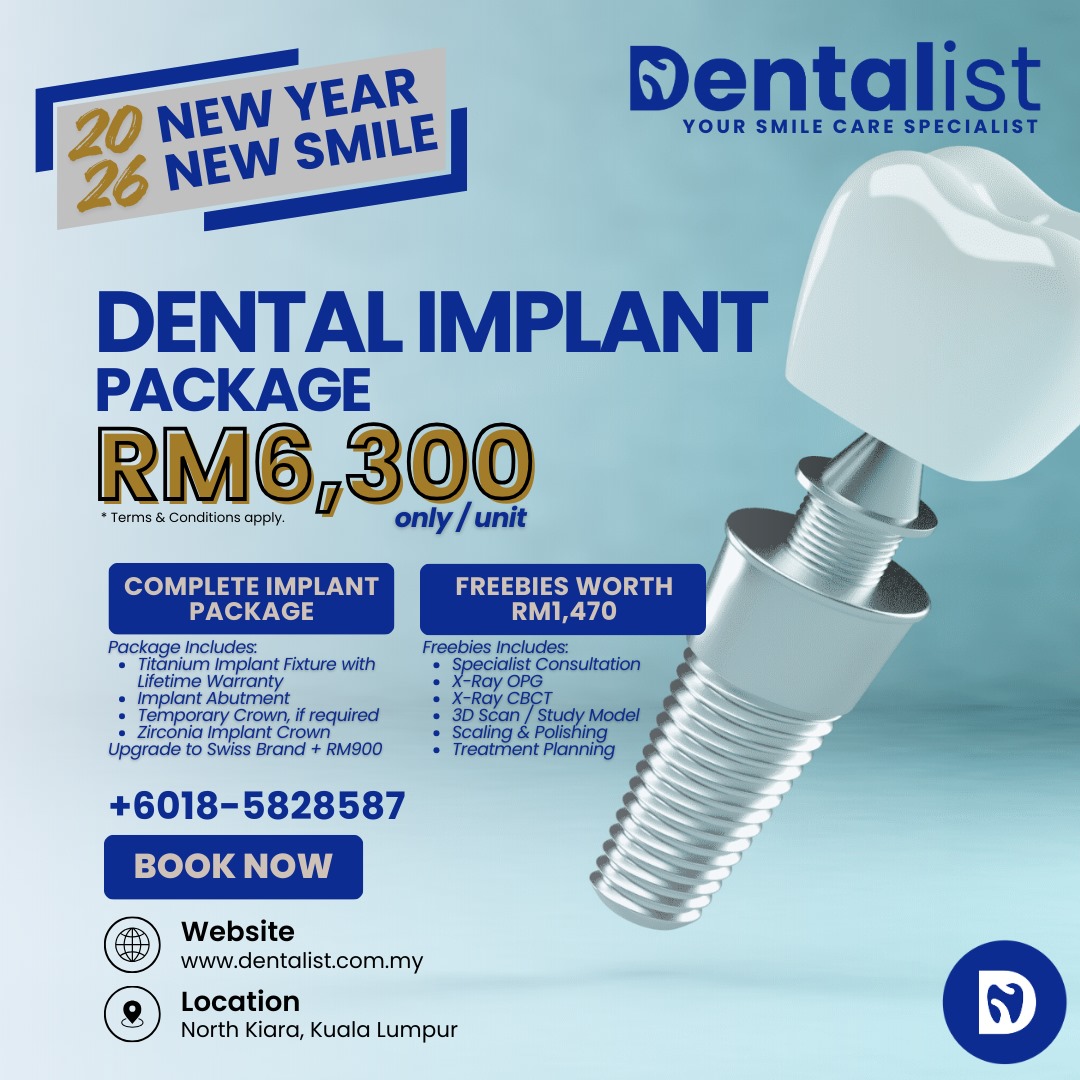
Celebrate Our New Year, New Smile Promo for Dental Implant at Dentalist Kuala Lumpur with 10% Reduction and FREE Consultation in Dentalist! PROMO valid till 31 December 2025. Your Smile Care Specialist.
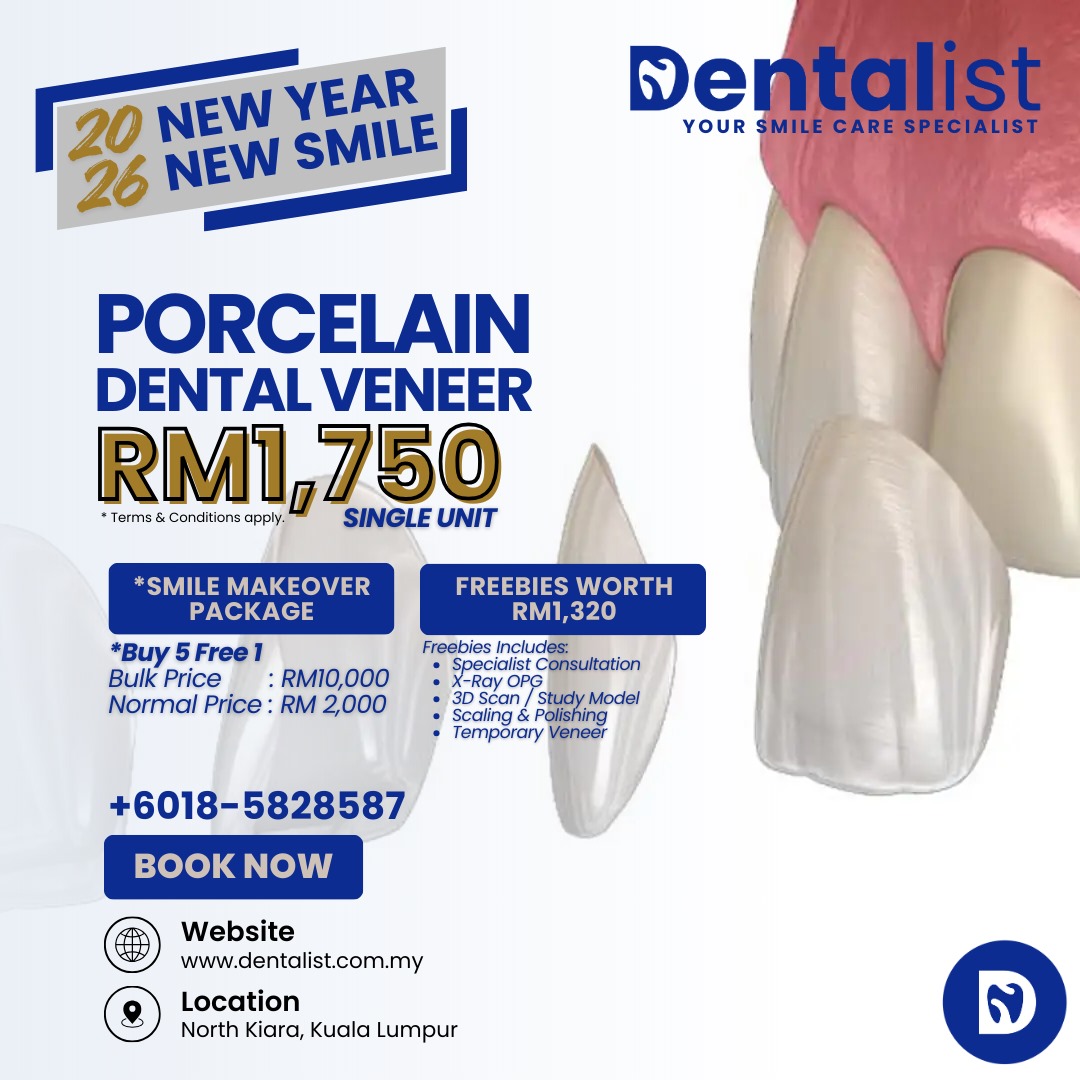
Celebrate our New Year, New Smile Promo for Porcelain Veneer at Dentalist Kuala Lumpur of 13% reduction for single unit and Buy 5 Free 1 (17% reduction) with FREE consultation in Dentalist! DEAL valid till 31 December 2025., Your Smile Care Specialist.